In today’s demanding industrial landscape, processing heat-sensitive and viscous materials requires specialized equipment. The agitated thin film dryer (ATFD), a type of thin film evaporator, offers a powerful solution. This technology is engineered for continuous drying, transforming liquids and slurries into dry, free-flowing powders. Its unique design promotes highly efficient heat transfer, making it a vital tool for a wide range of industrial applications where product integrity is paramount. Are you looking to improve your drying processes?
Table of Contents
Key Highlights
- An agitated thin film evaporator (ATFD) is an advanced thin film dryer used for converting liquid slurries into dry powders. Typical design specifications for an ATFD evaporator include a vertical or horizontal cylindrical body equipped with a rotating agitator that generates an agitated thin film on the heated surface. The system is engineered for efficient heat transfer, allowing for precise temperature control and rapid evaporation. Its construction commonly utilizes corrosion-resistant materials for enhanced durability and optimal product quality. This specialized equipment excels in processing heat-sensitive substances, ensuring gentle handling while achieving high-quality dry powder output.
- It excels at efficient heat transfer, making it ideal for processing heat-sensitive materials while maintaining high product quality.
- The technology is designed for continuous operation, boosting productivity in various industrial settings.
- ATFDs play a crucial role in modern environmental strategies, particularly in achieving zero liquid discharge (ZLD).
- Key applications include pharmaceutical, chemical, and food industries.
Understanding ATFD Evaporator Technology
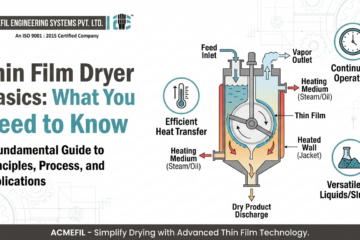
ATFD technology operates on a simple yet highly effective principle. It mechanically creates and agitates a thin film of product against a heated surface. This continuous agitation ensures uniform exposure to heat and prevents material from sticking or burning.
The primary benefit of this design is the extremely short residence time the product spends on the heated wall. This rapid processing, combined with efficient heat transfer, makes the thin film dryer ideal for materials that would otherwise degrade under prolonged heat exposure. The following sections will explain the mechanics and components that make this technology so effective.
Definition and Core Functionality of ATFD Evaporators
An agitated thin film evaporator is a specialized piece of equipment designed for the continuous drying of liquids, slurries, or pastes. Its primary function is to evaporate solvents efficiently, leaving behind a solid residue in the form of a dry powder or flakes. The entire process takes place within a vertical or horizontal cylindrical vessel, engineered for precision and control.
Inside the vessel, a rotor with blades spins at high speed. As the feed material is introduced, these blades spread it evenly across the inner, heated wall, creating a very thin film of liquid. This mechanical action is central to the evaporator’s performance, ensuring the entire product comes into contact with the heat source.
This thin-film formation maximizes the surface area for evaporation, leading to exceptionally high heat transfer rates. The solvent vaporizes rapidly and is separated, while the resulting dry powder moves down the vessel for collection. This design makes continuous operation seamless and highly effective for producing consistent, high-quality solids.
Historical Evolution and Adoption in India
The thin film dryer has become increasingly prevalent across various industries due to its efficiency and reliability. Initially adopted by chemical and pharmaceutical companies, its ability to handle sensitive materials without compromising product quality made it an indispensable tool. The core technology centers on creating an agitated thin film, a method that has proven superior to many older drying techniques.
In India, the adoption of ATFDs has been significantly driven by stringent environmental regulations. Industries were pressed to find better ways to manage their industrial wastewater, leading to the widespread integration of ATFDs into the effluent treatment plant (ETP) process. This was particularly true for sectors generating complex, hard-to-treat effluents.
The goal was not just waste management but also resource recovery and compliance. The use of ATFDs in ETPs, especially for achieving Zero Liquid Discharge (ZLD), marked a major step forward. It allowed companies to convert liquid waste into solid, manageable forms, protecting the environment while often improving overall process efficiency.
Key Components and Their Roles
The effectiveness of an ATFD evaporator comes from the precise interaction of its key components. Each part is engineered to contribute to the efficient drying process, ensuring the equipment performs reliably under various operating conditions. Understanding these components helps clarify how the technology works so well.
Several parts are critical to the ATFD’s function. These include:
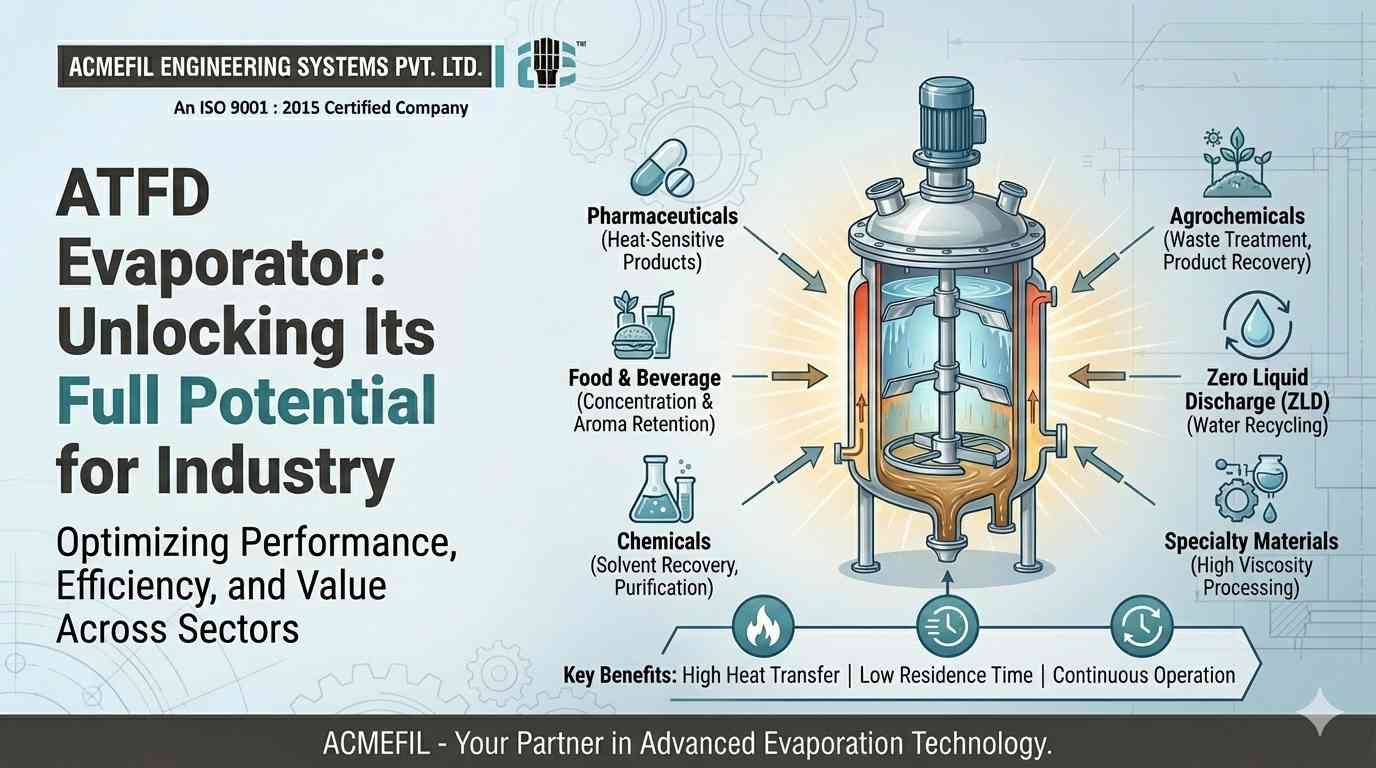
- External Heating Jacket: This surrounds the main vessel and contains a heating medium like steam or hot oil, providing the energy for evaporation.
- Inner Rotor with Rotor Blades: This rotating assembly spreads the feed material into a thin film on the heated surface and keeps it agitated.
- Feed Distributor: Ensures the incoming liquid is spread evenly at the top of the unit before it meets the rotor blades.
Together, these components create an optimal environment for drying. The heating jacket provides uniform heat to the entire heated surface. The inner rotor and its blades then work to maximize the heat transfer area by constantly renewing the film of product. This synergy allows for rapid, controlled evaporation and consistent results.
Working Principle of ATFD Evaporators
The working principle of an agitated thin film dryer is based on creating a thin film of liquid on a heated surface for rapid evaporation. As the liquid is spread thinly, the heat transfer from the heating surface to the product is incredibly fast, causing the solvent to vaporize almost instantly.
This process ensures a very short residence time, meaning the product is exposed to high temperatures for only a few seconds. This is the key advantage of the ATFD, as it prevents thermal degradation of sensitive materials while achieving efficient drying. The subsequent sections will explore the specific mechanisms of film formation and heat dynamics.
Mechanism of Thin Film Formation
The process begins when the feed liquid or slurry is introduced into the top of the film dryer. It is directed onto a distributor that ensures the material is spread evenly around the circumference of the inner wall. From there, gravity starts to pull the liquid downwards along the heated surface of the dryer.
As the liquid begins its descent, a high-speed rotor with attached blades comes into play. These blades, positioned very close to the heated wall, catch the descending liquid and mechanically spread it into a uniform thin film of liquid. This action creates turbulence and ensures the entire product is consistently exposed to the heat.
This mechanism is crucial because it dramatically increases the available surface area for evaporation. By maintaining a continuous thin film of the product, the film dryer achieves maximum heat transfer efficiency. The constant agitation also prevents any part of the product from overheating, ensuring a gentle yet rapid drying process.
Heat Transfer Dynamics within ATFD Units
The rapid evaporation in an ATFD is driven by its superior heat transfer dynamics. The design is optimized to move thermal energy from the heat source to the product as quickly as possible. This efficiency is measured by the heat transfer coefficient, which is exceptionally high in these units due to the thin, agitated film.
The energy for this process is supplied by a heat source that warms the external heating jacket. The choice of heating medium depends on the required temperature and product characteristics. Common options include:
- Steam
- Hot oil
- Hot water
Once the heating jacket is brought to the target temperature, the heat conducts through the vessel wall to the product film. Because the film is so thin and constantly agitated, the energy is absorbed almost instantly, causing rapid evaporation of the solvent. This ensures the product is dried in seconds, preserving its quality and integrity.
Process Flow Diagram for Industrial Applications
The process flow in an industrial ATFD application is designed for continuous operation and straightforward control. The system takes a liquid feed and converts it into a dried product and vapor, which are discharged separately. Understanding this flow is key to integrating an ATFD into your plant.
A typical process flow can be broken down into distinct stages:
| Stage | Description |
|---|---|
| Feed Input | The liquid is pumped into the ATFD at a controlled feed rate. |
| Film Formation & Drying | The rotor spreads the feed on the heated wall, causing rapid evaporation. |
| Vapor Separation | The evaporated solvent vapor is separated and directed out of the unit. |
| Product Collection | The final dried product is collected from the bottom discharge outlet. |
This streamlined workflow allows for uninterrupted production. Adjusting the feed rate and heating temperature enables you to control the output and characteristics of the dried product. The vapor can be condensed for recovery, while the powdered solid is ready for packaging or further processing, with no final liquid discharge from the product stream.
Industrial Applications of ATFD Evaporators
The versatility of ATFD evaporators makes them suitable for a vast array of industrial processes. Their ability to handle sensitive, viscous, and fouling materials means they can solve drying challenges where other technologies might fail. From producing fine chemicals to processing food ingredients, their application is widespread.
Major sectors that rely on this technology include chemical industries, pharmaceutical manufacturing, and food industries. Additionally, their crucial role in wastewater treatment systems has made them essential for environmental compliance across many sectors. The following sections will provide more detail on these specific use cases.
Chemical Industry Use Cases
In the chemical industries, the agitated thin film dryer is a workhorse for converting various products from a liquid to a solid state. It is commonly used to produce dry solids from solutions, slurries, and pastes, including organic chemicals, resins, and polymers. The technology’s robustness allows it to handle materials with changing properties as they become more concentrated.
The process involves taking a concentrated liquid feed and applying it to the dryer’s heated wall. The system’s ability to achieve efficient evaporation is critical, as it allows for the removal of solvents without degrading the final chemical product. This is especially important for specialty chemicals where purity and physical form are paramount.
Ultimately, the ATFD provides a reliable method for producing free-flowing dry solids that are easy to package, transport, and use in subsequent processes. Its continuous operation fits perfectly into the large-scale production lines common in the chemical sector, ensuring consistent output and high productivity.
Pharmaceutical Manufacturing Integration
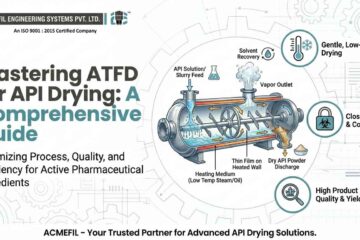
Pharmaceutical manufacturing demands the highest standards of purity and quality, especially when handling active pharmaceutical ingredients (APIs). Many APIs are heat-sensitive materials that can easily be damaged by traditional drying methods. This is where the ATFD evaporator becomes an invaluable asset.
The primary advantage in this sector is the minimal thermal degradation offered by the technology. Because the product is exposed to heat for only a few seconds, its chemical structure and efficacy are preserved. This gentle yet effective drying method ensures that the final product quality meets stringent regulatory requirements.
Furthermore, the ATFD supports the industry’s shift toward continuous processing. Unlike batch dryers, an ATFD can be integrated into a continuous production line, improving efficiency, reducing manual handling, and ensuring consistent results from start to finish. This makes it a perfect fit for modern pharmaceutical operations focused on quality and productivity.
Food Processing Industry Benefits
In the food industries, maintaining flavor, color, and nutritional value is essential. ATFD evaporators are widely used to process sensitive products like dairy derivatives, sweeteners, and starches. The technology’s ability to perform rapid evaporation at controlled temperatures helps preserve the delicate characteristics of these food ingredients.
The goal is often to create a stable dry powder from a liquid concentrate without compromising its quality. The short residence time in an ATFD prevents the caramelization of sugars and the denaturation of proteins, issues that can arise with other drying techniques. This ensures consistent product quality batch after batch.
By converting liquids into a dry powder form, food manufacturers can extend shelf life, reduce transportation costs, and create ingredients for a wide range of consumer products, from instant soups to baked goods. The ATFD provides an efficient and reliable method to achieve these goals while protecting the integrity of the food products.
Features and Benefits of ATFD Evaporators
ATFD evaporators are defined by a set of features that deliver significant operational benefits. Their unique design minimizes product holdup, meaning very little material is left in the system after a run. This, combined with a very low residence time on the heating surface, protects product quality.
These features translate directly into tangible advantages for your operation. You can expect improved energy efficiency, which leads to direct cost savings. Furthermore, the ability to handle difficult materials without fouling or degradation reduces downtime and maintenance. The following sections will explore these benefits in more detail.
Energy Efficiency and Cost Savings
One of the most significant advantages of an ATFD is its high energy efficiency. The design is inherently optimized to reduce overall energy consumption compared to many conventional drying systems. This efficiency is not just good for the environment; it also leads to substantial operational cost savings.
Several factors contribute to this efficiency:
- Efficient Heat Transfer: The thin film allows for an extremely high heat transfer coefficient, meaning less energy is wasted.
- Optimized Heating Jacket: The external heating jacket provides uniform and controlled heat, preventing hot spots and energy loss.
- Compact Design: The small footprint of ATFDs reduces surface area for heat dissipation into the surrounding environment.
By maximizing the effectiveness of every unit of energy put into the system, ATFDs lower your utility bills. The reduced energy consumption, combined with less product waste and lower maintenance needs, makes this technology a financially sound investment for any processing plant looking to improve its bottom line.
Handling of Heat-Sensitive Materials
The ability to process heat-sensitive materials is arguably the most critical benefit of an ATFD evaporator. Many valuable products in the pharmaceutical, food, and fine chemical industries can be destroyed by prolonged exposure to heat. The ATFD’s design directly addresses this challenge.
The key to its success is the extremely low residence time. The product is in contact with the heating surface for only a matter of seconds. This short residence time ensures that the material is dried before any significant thermal degradation can occur. This gentle treatment preserves the product’s chemical composition, color, flavor, and activity.
Compared to batch ovens or other dryers that expose products to heat for minutes or even hours, the ATFD offers unparalleled protection. For any process involving sensitive products, this feature is not just an advantage—it is a necessity for maintaining product quality and value.
Scalability for Commercial Operations
ATFD technology is highly scalable, making it suitable for everything from pilot-scale testing to full-scale commercial operations. The principles of operation remain the same regardless of the unit’s size, allowing for a smooth transition as your production needs grow. This scalability ensures that your process remains consistent and reliable.
The design for continuous operation is central to its scalability. You can easily adjust the feed rate and operating parameters to increase throughput without compromising the efficient evaporation process. This allows your plant to respond to changes in demand quickly while maintaining control over the final dry powder characteristics.
This ability to scale up while preserving product quality is a major advantage. It means that the results you achieve in a lab or pilot plant can be replicated on a much larger scale. For commercial operations, this predictability is crucial for ensuring consistent, high-quality output and maximizing profitability.
ATFD Evaporators in Zero Liquid Discharge Systems
Achieving zero liquid discharge (ZLD) is a critical environmental goal for many industries. ATFD evaporators are a cornerstone technology in making ZLD a reality. They are typically used in the final stage of an effluent treatment plant to handle the most concentrated waste streams.
In a ZLD liquid discharge system, pre-concentrated effluent is fed into the ATFD. The evaporator’s job is to remove the remaining water, converting the liquid waste into manageable dry solids. With minimal product holdup, the system efficiently processes the entire stream, ensuring no liquid is left for disposal.
Role in Achieving Environmental Compliance
ATFD evaporators play a direct and vital role in helping industries meet environmental compliance standards. With regulations on wastewater becoming increasingly strict, a zero liquid discharge system is often the most effective strategy for ensuring no harmful effluents are released into the environment.
Within an effluent treatment plant, the ATFD serves as the final, critical step. After processes like reverse osmosis and multiple-effect evaporation have recovered most of the water, a highly concentrated brine remains. The ATFD takes this brine and removes the last of the liquid, leaving only a dried product.
This complete elimination of liquid discharge is what makes compliance possible. The resulting dried product, typically salts, can be securely transported to a designated disposal facility or, in some cases, repurposed. By providing a definitive end to the liquid waste stream, the ATFD is an essential tool for responsible environmental management.
Typical Process Workflow in ZLD Plants
The process workflow for an ATFD in a zero liquid discharge (ZLD) plant is designed to be the final step in a comprehensive water treatment train. Its goal is to take the most concentrated liquid waste and turn it into a solid, thereby eliminating the final liquid discharge.
The typical workflow includes several key stages:
- Pre-Concentration: Effluent is first treated in systems like Multiple Effect Evaporators (MEE) to remove the bulk of the water.
- Feed to ATFD: The highly concentrated reject from the MEE is fed into the ATFD.
- Drying: The ATFD’s heating jacket provides the energy to evaporate the remaining water.
- Solids Collection: The resulting dry product is collected from the bottom of the unit for disposal.
This continuous operation ensures that the entire waste stream is processed efficiently. By converting the final liquid into a manageable dry product, the ATFD completes the ZLD loop, providing a robust solution for industrial wastewater management and environmental protection.
Case Study: Implementation in Indian Effluent Treatment
In India, many pharmaceutical and chemical industries have successfully implemented ATFDs as part of their effluent treatment plant (ETP) strategy. These sectors generate high TDS (Total Dissolved Solids) wastewater that is difficult to treat using conventional methods. The goal is to achieve zero liquid discharge to comply with strict pollution control norms.
The typical process workflow begins with primary and secondary wastewater treatment to remove larger contaminants. The water is then sent to a Multiple Effect Evaporator (MEE) which recovers a significant portion of the water and produces a concentrated reject. This highly concentrated liquid is the feed for the ATFD.
The ATFD then performs the final and most critical step of the wastewater treatment process. It evaporates the remaining water from the MEE reject, producing a dried product, usually a salt cake. This solid waste is then sent to a secure landfill (TSDF), ensuring no liquid effluent is discharged from the plant and achieving complete ZLD.
ATFD Evaporator vs Other Evaporation Technologies
When selecting a drying technology, it is important to understand how an agitated thin film dryer compares to other options. Technologies like the multiple effect evaporator or the rotary dryer serve different purposes and have distinct operational characteristics.
The choice often comes down to the specific requirements of your product and process. An ATFD typically offers a higher heat transfer coefficient and superior final product quality, especially for sensitive or viscous materials. The following comparisons will highlight the key differences to help you make an informed decision.
Comparison with Multiple Effect Evaporators
An ATFD and a multiple effect evaporator (MEE) are often used together in a process, but they perform very different functions. An MEE is designed for bulk water removal from relatively low-concentration feeds, while an ATFD is a finisher, handling high-concentration feeds to produce a dry solid.
Here is a comparison of their key characteristics:
| Feature | Agitated Thin Film Dryer (ATFD) | Multiple Effect Evaporator (MEE) |
|---|---|---|
| Main Function | Drying to a solid powder | Concentrating a liquid |
| Residence Time | Very short (seconds) | Long (minutes to hours) |
| Product Holdup | Minimal | Significant |
| Viscosity Handling | Excellent for high viscosity | Limited by viscosity |
While an MEE can offer high energy efficiency for bulk evaporation, it cannot dry products to a solid state and has a much longer residence time, which can harm sensitive products. An ATFD has a smaller heat transfer area but is specialized for the final drying step, excelling where an MEE cannot operate.
Comparison with Rotary and Drum Dryers
ATFDs are often compared to other drying technologies like the rotary dryer and drum dryer. While all three can produce a dry powder, the ATFD offers distinct advantages for certain applications, particularly those involving heat-sensitive or sticky materials.
Compared to a rotary dryer or drum dryer, an ATFD generally provides:
- More gentle product handling due to short residence time.
- Better performance with viscous, sticky, or fouling materials.
- More uniform and consistent final product quality.
- More rapid evaporation in a more compact unit.
A rotary dryer, for example, tumbles material in a heated drum, which can lead to product degradation through attrition and longer heat exposure. Similarly, a drum dryer can cause overheating if the product is not removed cleanly by the scraper blade. For applications demanding superior product quality and performance with difficult materials, the ATFD is often the preferred choice.
Advantages Over Conventional Systems
ATFD evaporators offer several clear advantages over many conventional drying systems. The most significant of these is the ability to protect product integrity through an extremely short residence time. This ensures minimal thermal degradation, which is crucial for high-value and sensitive materials.
The design for continuous processing is another key benefit. Unlike batch systems that require loading and unloading cycles, an ATFD operates uninterrupted, leading to higher throughput and more efficient production. This automated process also contributes to more consistent product quality, as operational parameters remain stable.
Ultimately, these features combine to deliver a superior dry product. Whether you are dealing with viscous slurries or heat-sensitive chemicals, the ATFD provides a level of control and gentleness that conventional systems often cannot match. This makes it a more reliable and effective solution for modern industrial drying challenges.
Frequently Asked Questions (FAQ)
Several inquiries arise regarding the agitated thin film evaporator and its applications across various industries. The crucial aspects often involve its efficient heat transfer rates, which significantly minimize thermal degradation of temperature-sensitive products. Users frequently wonder about the benefits of using this evaporator over traditional methods, particularly in terms of energy efficiency and the ability to achieve consistent product quality. Additionally, questions about the drying process, especially how short residence times impact the final dried product, are common among manufacturers and engineers alike.
What types of materials can be processed with an ATFD evaporator?
ATFD evaporators can process a wide range of materials, including solutions, slurries, and pastes. They are especially effective for heat-sensitive products that require gentle drying. The technology excels at converting a liquid film into a final dried product or dry powder through efficient heat transfer, making it ideal for pharmaceuticals, foods, and chemicals.
What maintenance steps are recommended for ATFD evaporators?
Regular maintenance for an ATFD includes inspecting the rotor blades for wear and cleaning the heating surface to prevent the buildup of dry solids. This ensures optimal heat transfer rates and reliable continuous operation. Keeping the system clean prevents fouling and maintains the high efficiency the equipment is designed for.
How is an ATFD evaporator installed in an industrial plant?
Installation involves positioning the vertical cylindrical vessel and connecting utilities to its heating jacket. Process piping is then integrated for the controlled feed rate and the separate outlets for vapor and final product. Its compact design minimizes product holdup and simplifies integration into a plant’s workflow, ensuring no unintended liquid discharge.
What industries can benefit from using an ATFD evaporator?
A wide range of sectors, including chemical industries, food industries, and pharmaceutical manufacturing, rely on the agitated thin film dryer for producing high-quality powders. It is also an essential component in wastewater treatment systems for achieving zero liquid discharge, demonstrating its versatility across diverse industrial applications.
How does an ATFD evaporator differ from traditional evaporators?
An ATFD differs by creating an agitated thin film on the heat transfer area, which results in an exceptionally short residence time. This mechanism protects product quality, especially for sensitive materials. Unlike many traditional evaporators, it excels at continuous operation and can effectively process highly viscous liquids into dry solids.
Can an ATFD evaporator be customized for specific industrial applications?
Yes, ATFDs are highly customizable to meet specific process needs. Parameters like the feed rate, rotor speed, and temperature can be adjusted to optimize heat transfer and produce a dry powder with the desired characteristics. This adaptability allows for efficient continuous processing within a compact design tailored to your application.
What are the key features and advantages of the ATFD evaporator?
Key features include rapid evaporation and an extremely short residence time, which results in minimal thermal degradation of the product. The main advantages are its ability to produce free-flowing dry solids from liquids, high energy efficiency, and suitability for continuous, automated processing of even the most sensitive materials.
What maintenance practices are essential for ensuring optimal performance of an ATFD evaporator?
Essential maintenance includes periodically inspecting the rotor blades for wear and cleaning the heating surface to prevent fouling and minimize product holdup. These practices are crucial for maintaining high heat transfer rates, ensuring reliable continuous operation, and extending the lifespan of the equipment while maximizing its performance.
Conclusion
In summary, the ATFD evaporator stands out as a versatile and efficient solution for various industrial applications. Its unique technology not only enhances energy efficiency but also supports the processing of heat-sensitive materials while ensuring scalability for commercial operations. By integrating ATFD evaporators into your processes, you can achieve significant cost savings and align with environmental compliance standards through zero liquid discharge systems. As industries continue to evolve, understanding and leveraging the full potential of ATFD evaporators will be crucial for maintaining a competitive edge. If you’re ready to explore how ATFD evaporators can transform your operations, get in touch with us today.