In the pharmaceutical industry, the final drying process is critical for producing stable and high-quality active pharmaceutical ingredients (APIs). An agitated thin film dryer (ATFD) has become a revolutionary technology for this purpose. This advanced system is designed to transform liquid or slurry APIs into a dry powder with exceptional efficiency. This guide will walk you through how an agitated thin film dryer works, its core components, key advantages, and best practices for mastering the API drying process.
Key Highlights
Here are the main points to remember about using an agitated thin film dryer (ATFD) for API drying:
- An agitated thin film dryer offers superior API drying by creating a thin film for efficient heat transfer.
- The system allows for rapid evaporation, which significantly shortens processing times.
- It ensures minimal thermal degradation, making it perfect for heat-sensitive active pharmaceutical ingredients.
- Continuous agitation prevents product buildup and guarantees uniform, high-quality results.
- ATFD technology is highly versatile, handling a wide range of product viscosities.
- Its compact design provides significant space and energy savings in pharmaceutical facilities.
Understanding ATFD in Pharma Industry
The pharmaceutical industry demands precision and reliability, especially when handling delicate materials. An agitated thin film dryer meets these needs by offering a controlled and gentle drying method. This technology is essential for maintaining product quality and integrity, which is non-negotiable in pharmaceutical manufacturing.
Understanding how an ATFD operates is the first step to leveraging its full potential. We will explore its definition, its specific role in API drying, and how the technology has evolved to become a cornerstone of modern pharmaceutical processing.
Definition and Function of Agitated Thin Film Dryer
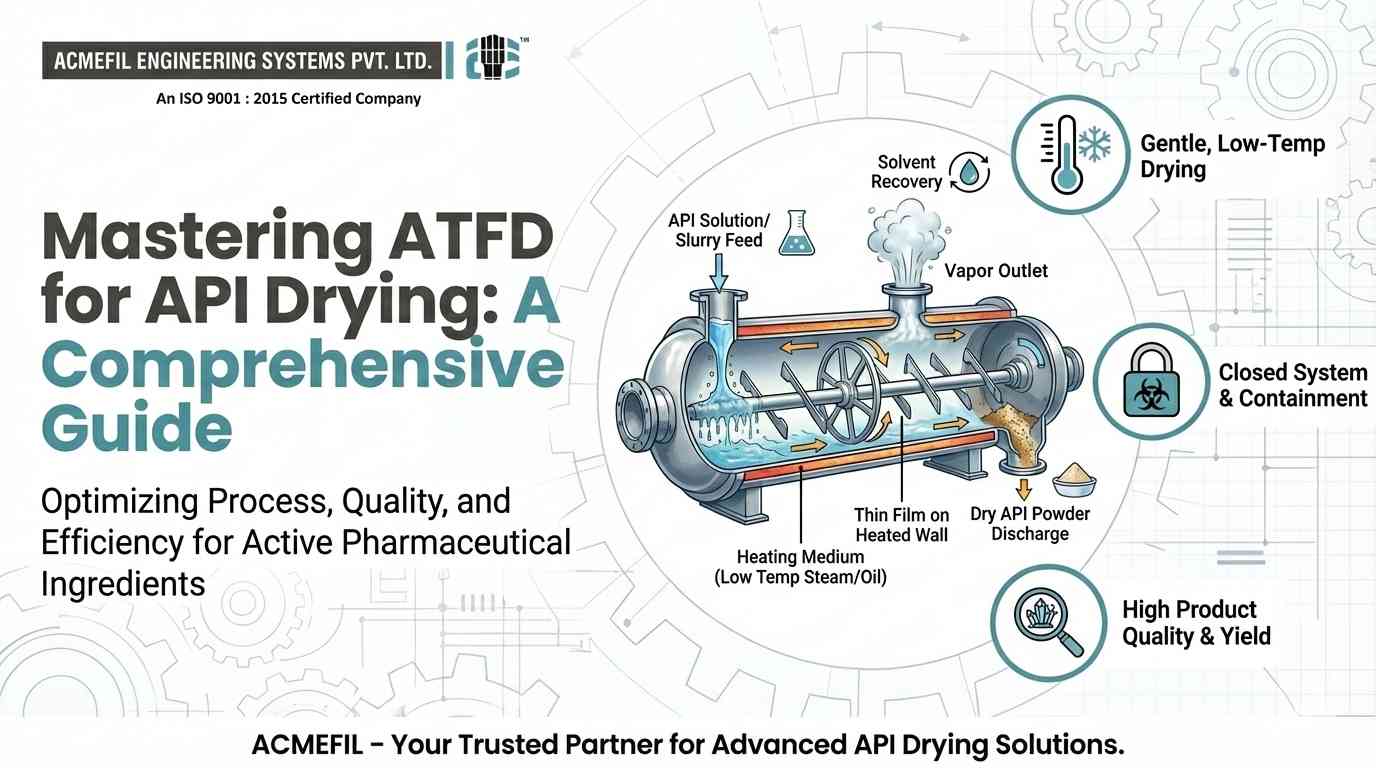
An agitated thin film dryer (ATFD) is a specialized piece of equipment designed for the efficient drying of sensitive products, particularly active pharmaceutical ingredients (APIs). It employs continuous processing to promote rapid evaporation of water from concentrated liquid feed material. With a compact design, the ATFD features a heated surface where the liquid film is distributed by rotating blades. This ensures uniform drying and minimal thermal degradation during the drying process. Its vacuum system enhances heat transfer efficiency, resulting in high-quality dry solids suitable for various applications across multiple industries.
Role of ATFD in API Drying Processes
The agitated thin film dryer (ATFD) plays a crucial role in the drying processes of active pharmaceutical ingredients (APIs). Its design facilitates efficient heat transfer, allowing for minimal thermal degradation of sensitive products. By creating a thin film of concentrated liquid on heated surfaces, it maximizes the surface area for rapid evaporation. Continuous agitation ensures consistent product quality by promoting uniform drying. Utilizing a vacuum system enhances energy efficiency and reduces moisture content, thus contributing to the overall effectiveness of the drying process in producing dry powders with optimal characteristics.
Historical Evolution of ATFD Technology in Pharmaceuticals
The historical evolution of drying technology in the pharmaceutical industry has been driven by the need for greater efficiency, purity, and consistency. Early methods like tray drying were slow, labor-intensive, and often resulted in non-uniform product quality. The development of more advanced systems was a direct response to these limitations.
The shift toward continuous processing marked a significant turning point. An ATFD represents a major advancement in this area, moving away from batch-based operations. Its design for continuous feed and discharge increased throughput and improved process control, meeting the growing demands of large-scale pharmaceutical manufacturing.
Today’s ATFD technology is the result of decades of refinement. Modern systems incorporate advanced materials, precise automation, and designs optimized for handling the most sensitive and challenging APIs. This evolution has cemented the ATFD’s place as a vital tool in the pharmaceutical industry.
Core Components of an ATFD System
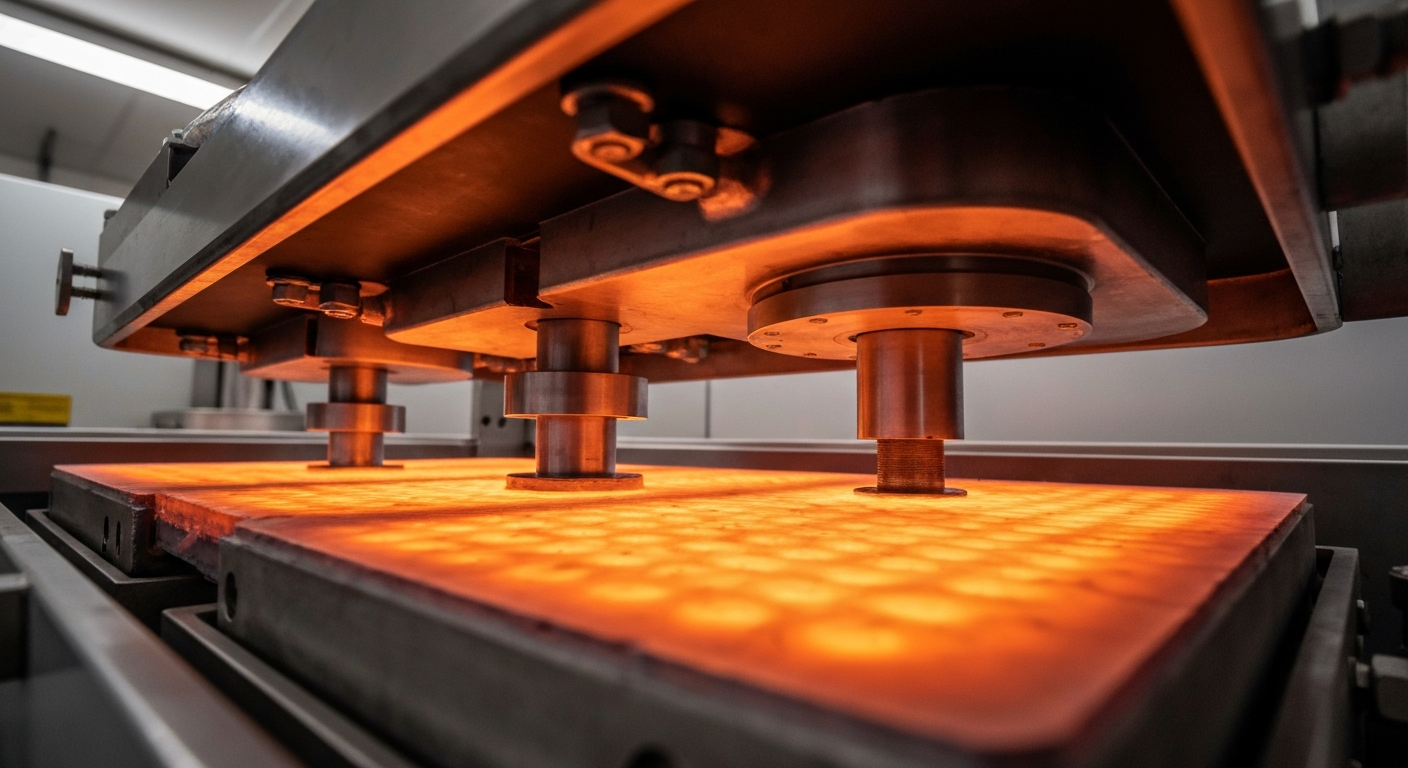
An ATFD system is an assembly of several critical parts working together to achieve efficient drying. These core components are typically constructed from high-grade materials like stainless steel to ensure compatibility with pharmaceutical products and prevent contamination.
Understanding each component’s function is key to operating and maintaining the system effectively. The following sections will detail the rotor and agitator, the heating surfaces, and the feed and discharge arrangements that make up a complete ATFD system.
Rotor and Agitator Mechanism
The heart of an agitated thin film rotary dryer is its rotor and agitator mechanism. This component consists of a central shaft fitted with specialized blades or wipers that extend close to the dryer’s inner wall. The design of these blades is critical for performance.
As the rotor turns, the blades perform two key functions: they spread the incoming feed material into a thin, uniform film and provide constant agitation. This continuous movement prevents material from sticking to the heated walls and breaks down any lumps, ensuring uniform drying across the entire batch.
The rotor speed is a crucial operational parameter. Adjusting the speed allows you to control the thickness of the film and the residence time of the product inside the dryer. This control is vital for optimizing the drying process for different APIs and achieving the desired final product characteristics.
Heating Surfaces and Materials
The heating surface of an ATFD is the primary medium for transferring thermal energy to the product. This surface is the inner wall of the dryer’s cylindrical body, which is enclosed by a heating jacket. This jacket creates a space where a heating medium can circulate.
Common heating media include steam or a specialized thermal oil. The choice depends on the required operating temperature. Steam is often used for moderate temperatures, while thermal oil is suitable for higher-temperature applications, offering precise control over the heat supplied to the process.
For API drying, the materials of construction are paramount. The heated surface and all product-contact parts are typically made from high-grade stainless steel, such as 316L. This material is chosen for its corrosion resistance and non-reactive properties, which prevent product contamination and ensure purity.
Feed and Discharge Arrangements
The feed and discharge arrangements are essential for the continuous and controlled operation of an ATFD. The feed system, located at the top of the unit, introduces the wet feed material into the dryer at a consistent and adjustable feed rate. Precise control over this rate is necessary to maintain a stable process and ensure uniform film thickness.
The design of the discharge system at the bottom of the dryer is equally important. It is engineered to collect the final dry powder or solids without interrupting the continuous operation. This arrangement ensures that the product quality remains high and consistent from start to finish.
Together, these systems define the residence time—the duration the material spends inside the dryer. By carefully managing the feed rate and discharge, operators can fine-tune the residence time to achieve the exact level of dryness required for the API while protecting its integrity.
Working Principle of ATFD for API Drying
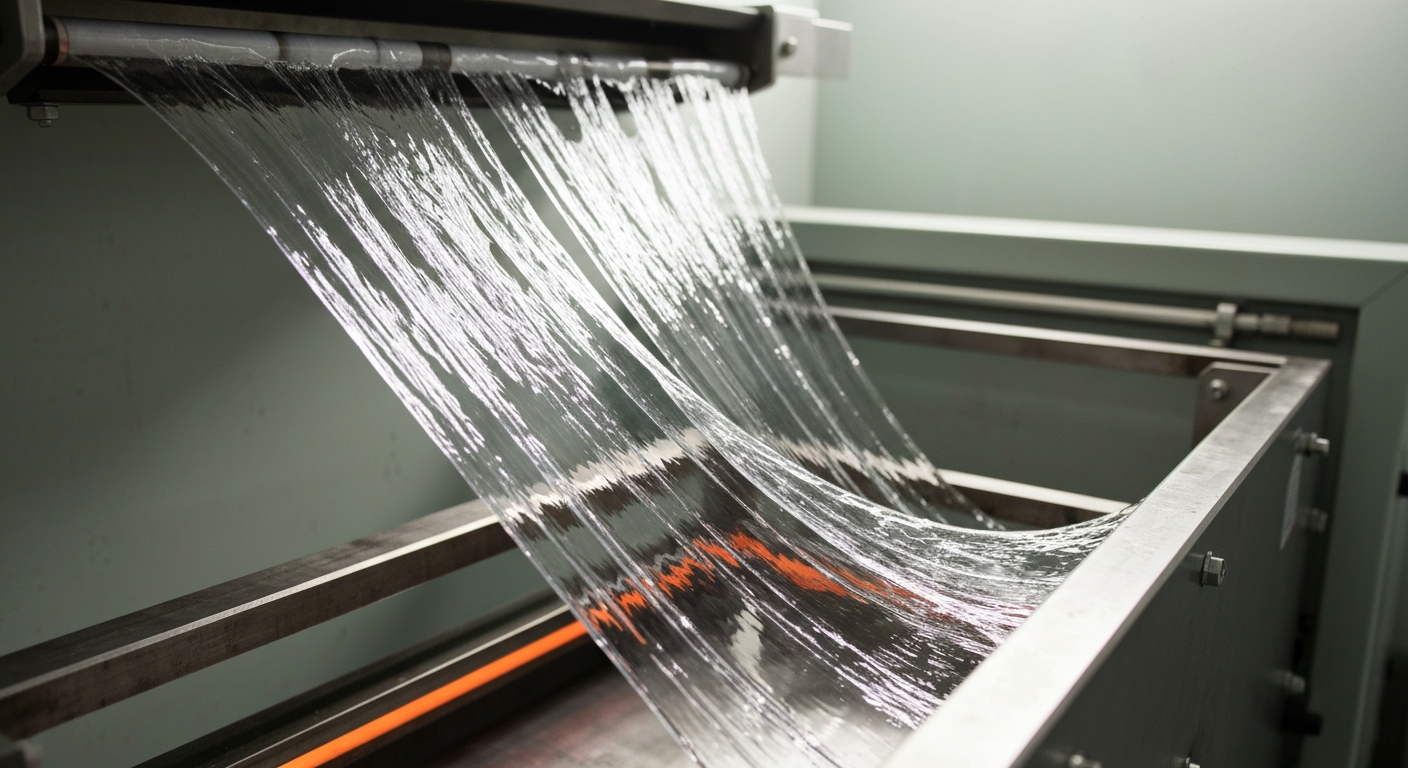
The working principle of an ATFD is centered on the concept of thin film drying. By spreading the material into a micro-level thin layer against a heated wall, the system dramatically increases heat transfer efficiency. This allows for extremely fast and gentle removal of moisture from the product.
This innovative approach is what makes the ATFD so effective for sensitive APIs. The following sections will break down the key stages of this process: how the thin film is formed, the mechanics of heat and mass exchange, and how the evaporated vapor is removed from the system.
The Thin Film Formation Process
Thin film formation begins when feed material is introduced into the chamber of an agitated thin film dryer. As the material cascades over the heated walls, continuous agitation by the rotor blades ensures uniform distribution and optimal residence time. This process promotes efficient heat transfer, enabling rapid evaporation of water. The design of the ATFD allows for consistent product quality, minimizing thermal degradation. With a compact design and effective use of thermal oil, this method is ideal for maintaining desired moisture content while achieving a dry powder suitable for various industries, including pharmaceuticals and food processing.
Heat Transfer and Mass Exchange
Once the thin film is formed on the heated wall, the processes of heat transfer and mass exchange begin. Heat energy from the heating jacket flows through the cylinder wall and into the thin film of the product. This intense heat transfer raises the temperature of the liquid in the film to its boiling point almost instantly.
Simultaneously, mass exchange occurs as the liquid solvent or water turns into vapor. This rapid evaporation is driven by the large surface area of the film and the turbulent conditions created by the rotating blades. The agitation continuously brings fresh material to the heated surface, further speeding up the drying process.
This efficient exchange of heat and mass is what allows the ATFD to complete the drying process in a matter of minutes or even seconds. This speed minimizes the product’s exposure to high temperatures, which is crucial for preserving the quality of sensitive APIs.
Vapor Removal and Condensation
As the moisture content of the product is converted into vapor, it must be efficiently removed from the system. The vapor rises and exits the dryer through a dedicated vapor outlet, which is typically located at the top of the unit. This counter-current flow prevents the vapor from interfering with the incoming feed.
In many pharmaceutical applications, the ATFD is operated with a vacuum system connected to the vapor outlet. The vacuum helps pull the vapor out of the dryer more effectively and lowers the boiling point of the solvent, allowing for lower operating temperatures.
The removed vapor is then directed to a condenser, where it is cooled and returned to a liquid state. This step is crucial for solvent recovery and for achieving zero liquid discharge (ZLD) goals, making the process more environmentally friendly and cost-effective.
Types of ATFDs Used for API Drying
ATFD systems are available in two primary configurations: vertical and horizontal. While both operate on the same fundamental principle of thin film drying, their orientation and design lead to differences in application, footprint, and product handling capabilities.
The choice between a vertical ATFD and a horizontal ATFD depends on several factors, including the properties of the material being processed, available plant space, and specific process requirements. The following sections will compare these two types and their suitability for API drying applications.
Vertical ATFDs
The vertical agitated thin film dryer is the most common configuration used in the pharmaceutical and chemical industries. In this design, the cylindrical body is oriented vertically, and the feed material is introduced at the top. The product then flows downward along the walls, aided by gravity and the action of the rotor blades.
This orientation offers a significant advantage in terms of floor space. The compact design of a vertical ATFD makes it an excellent choice for facilities where space is at a premium. It allows for high processing capacity within a minimal footprint.
The downward flow path in a vertical ATFD is also beneficial for continuous operation, as it provides a natural and consistent movement of material from the feed inlet to the discharge outlet. This makes it highly suitable for most API drying processes where consistent product flow is desired.
Horizontal ATFDs
A horizontal ATFD features a cylindrical body that is oriented horizontally. In this configuration, the rotor and blades move the material along the length of the heated wall from the feed inlet at one end to the discharge outlet at the other. Gravity plays a less direct role in product transport compared to the vertical design.
This design can offer longer residence time if needed, as the material’s movement is more dependent on the rotor’s action than on gravity. This can be an advantage for certain products that require a slightly longer exposure to the heated surface for complete drying.
However, horizontal ATFDs generally require more floor space than their vertical counterparts for the same capacity. They are typically chosen for specific applications where the process characteristics or headroom limitations favor a horizontal orientation, but they are less common for general API drying.
Differences and Suitability for API Applications
The primary differences between vertical and horizontal ATFDs influence their application suitability for API drying. A vertical ATFD uses gravity to assist product flow, resulting in shorter residence times and a more compact footprint, making it ideal for most heat-sensitive APIs. In contrast, a horizontal ATFD offers longer, more controlled residence times but requires more floor space.
The choice between them depends on the specific needs of your API. For most applications where rapid, gentle drying is paramount to maintaining product quality, the vertical ATFD is the preferred choice. Its efficiency and space-saving design align well with the demands of modern pharmaceutical facilities. A horizontal unit might be considered for less sensitive materials that require more extended drying.
Here is a summary of the key differences:
| Feature | Vertical ATFD | Horizontal ATFD |
|---|---|---|
| Orientation | Cylinder is upright | Cylinder is on its side |
| Product Flow | Aided by gravity | Driven by rotor blades |
| Residence Time | Shorter, less variable | Longer, more controllable |
| Footprint | Compact, less floor space | Larger, more floor space |
| Common Use | High for heat-sensitive APIs | More specialized applications |
Key Advantages of ATFD in Pharma
The adoption of ATFD technology in the pharmaceutical industry is driven by a clear set of compelling advantages. These systems offer unmatched performance in drying sensitive and challenging materials, ensuring high efficiency and superior product quality. The benefits extend to operational aspects like energy savings and a smaller physical footprint.
From superior drying rates to the ability to handle viscous products, each advantage addresses a critical need in API manufacturing. The following sections will explore these benefits, including high efficiency, minimal thermal degradation, and space and energy savings.
Superior Drying Efficiency
The superior drying efficiency of an ATFD stems from its core design. The creation of a thin, agitated film on the heated surface results in exceptionally high heat transfer rates. This allows for rapid drying, often converting a liquid or slurry into a fine dry powder in a matter of seconds.
This level of efficiency is significantly higher than that of conventional dryers like tray or fluid bed dryers, which can take hours to complete a batch. The rapid processing time not only boosts productivity but also reduces the overall energy consumption per unit of product.
Ultimately, this efficient drying process means you can achieve your desired final moisture content faster and more consistently. This leads to higher throughput and a more streamlined manufacturing workflow, making the ATFD a powerful tool for optimizing your production line.
Minimal Thermal Degradation of APIs
One of the most critical advantages of an ATFD is its ability to ensure minimal thermal degradation. Many active pharmaceutical ingredients are highly sensitive products that can be damaged by prolonged exposure to heat. The ATFD’s design directly addresses this challenge.
The combination of a very short residence time and the option to operate under vacuum minimizes thermal stress on the material. The product is exposed to the drying temperature for only a brief period, preventing the chemical breakdown that can occur in slower drying processes. This gentle handling is essential for maintaining the potency and stability of the API.
By protecting the product’s integrity, the ATFD guarantees higher product quality and reduces the risk of batch failure. This makes it the ideal technology for drying valuable and delicate APIs where quality cannot be compromised.
Handling High-Viscosity Products
High-viscosity products in the drying process present unique challenges, particularly concerning efficient heat transfer and moisture removal. An agitated thin film dryer (ATFD) tackles these challenges effectively by using continuous agitation and a heated surface to enhance the drying rate. The rotor blades promote uniform thin film formation, ensuring consistent product quality during processing. Operating under vacuum conditions optimizes evaporation while minimizing thermal degradation, crucial for sensitive active pharmaceutical ingredients. Regular maintenance of the ATFD system is essential for ensuring high efficiency and energy savings, making it suitable for various industries.
Space and Energy Savings
In modern manufacturing facilities, both physical space and energy consumption are major considerations. The ATFD offers significant advantages in both areas. The typically vertical, compact design of an ATFD requires a much smaller footprint compared to other drying systems of similar capacity, freeing up valuable floor space.
The system’s high thermal efficiency also translates directly to energy savings. By transferring heat from the hot oil or steam jacket so effectively, the ATFD uses less energy to evaporate the same amount of moisture. This superior energy efficiency not only lowers operating costs but also reduces the facility’s overall environmental impact.
By choosing an ATFD, you are investing in a technology that is both economically and environmentally sound. The combination of a smaller footprint and lower energy consumption makes it a smart and sustainable choice for any pharmaceutical drying application.
Critical Features to Consider When Selecting ATFD for API Drying
Selecting the right ATFD system is a critical decision that directly impacts your process efficiency and final product quality. The ideal dryer must be tailored to your specific API, production scale, and regulatory requirements. A thorough evaluation of the available features is necessary to make an informed choice.
There are several key selection criteria to consider, from the materials used in construction to the level of automation. The following sections will cover the most important features to look for, including material compatibility, process control options, and capacity requirements.
Materials of Construction and Compatibility
The materials used to build an ATFD are fundamental to its performance and longevity, especially in the pharmaceutical industry. All parts that come into contact with the product must be made from materials that are non-reactive and corrosion-resistant to ensure product quality and purity.
For most API, chemical, and food products, high-grade stainless steel (like 316L) is the standard material of choice. It offers excellent resistance to a wide range of chemicals and is easy to clean, which is essential for preventing cross-contamination between batches.
In cases where the API is highly corrosive, more exotic alloys like Hastelloy may be required. It is crucial to assess the chemical properties of your product and choose a material that guarantees full compatibility. This ensures the dryer will not degrade over time and the final product remains pure.
Automation and Process Control Options
Modern ATFD systems can be equipped with advanced automation and process control options that enhance performance, consistency, and safety. A high level of automation is particularly beneficial for continuous operation, as it ensures that key parameters are maintained without constant manual intervention.
An integrated control system allows you to monitor and adjust critical variables in real time. This includes feed rate, rotor speed, heating temperature, and vacuum level. Precise process control is essential for achieving consistent product quality and optimizing the drying process for maximum efficiency.
When selecting an ATFD, consider the level of automation that best suits your needs. Key features to look for include:
- Programmable Logic Controllers (PLCs) for automated sequences.
- Real-time monitoring and data logging for quality assurance.
- Variable frequency drives (VFDs) for precise rotor speed control.
- Automated temperature and pressure regulation.
Capacity and Scale Requirements
Matching the capacity of the ATFD to your production needs is a critical design consideration. The capacity of a dryer is determined by its size, specifically the available heat transfer area. It is important to select a unit that can handle your required throughput, which is typically measured by the feed rate in kilograms per hour.
Consider both your current and future production demands. It is often wise to select a system with slightly more capacity than you currently need to accommodate future growth. This prevents the need for a costly replacement as your production needs increase.
Furthermore, when moving from laboratory to full-scale production, proper scale-up is essential. Work with a manufacturer who has experience in scaling up continuous processing systems. They can help ensure that the performance achieved in a pilot-scale unit is successfully replicated in the larger commercial-scale dryer.
Factors Affecting the Efficiency of ATFD in Pharma Applications
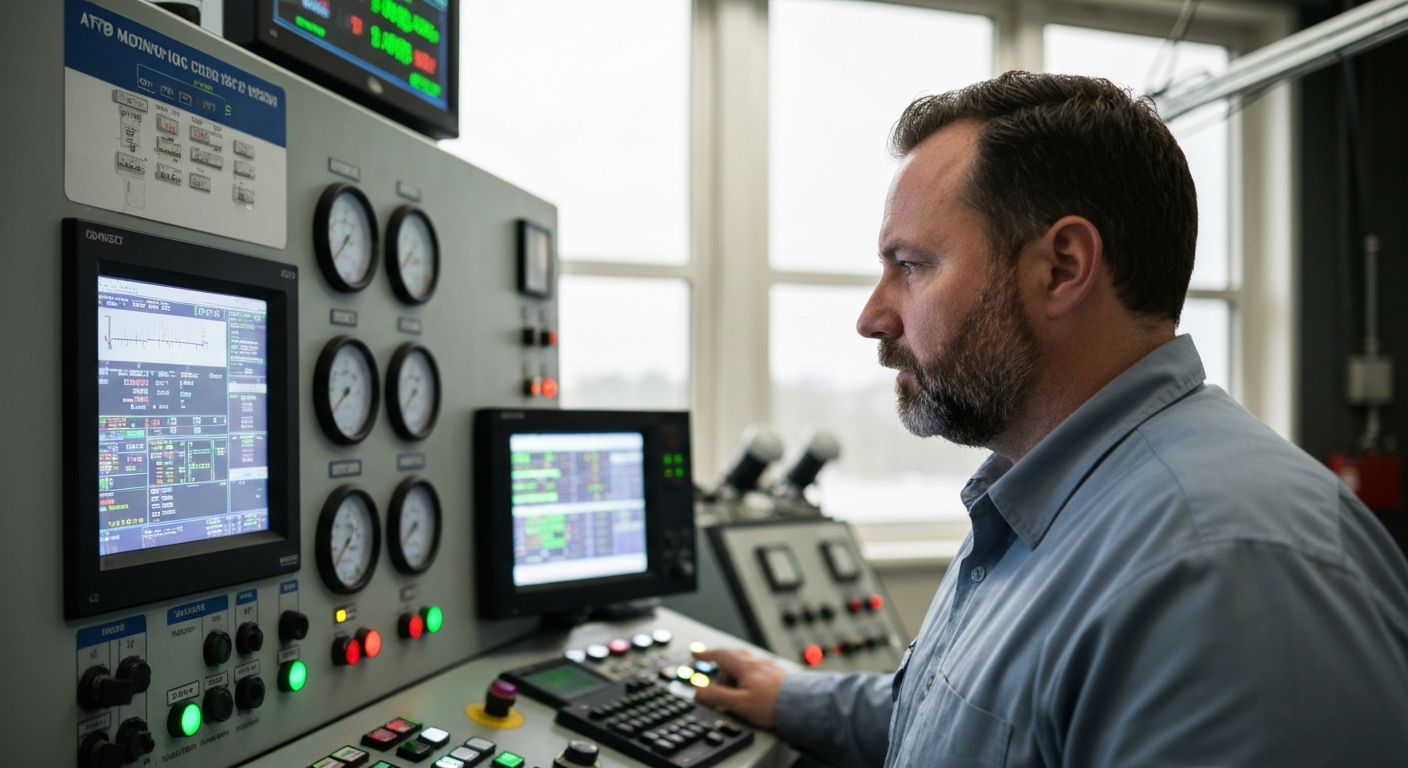
Achieving optimal efficiency with an ATFD requires a deep understanding of the variables that influence its performance. The heat transfer efficiency and the overall quality of the drying process are not static; they are affected by a combination of operating conditions and the characteristics of the feed material itself.
To master your API drying application, you need to know how to control these factors. The following sections will discuss the most important variables that can impact ATFD efficiency, including operating temperature and pressure, feed characteristics, and agitation speed.
Operating Temperature and Pressure
The operating temperature and pressure are two of the most critical factors affecting ATFD efficiency. The temperature of the heating jacket directly controls the rate of heat transfer into the product. A higher temperature will lead to faster evaporation, but it also increases the risk of product degradation if the material is heat-sensitive.
Operating the dryer under a vacuum (lower pressure) is a key strategy for balancing speed and safety. By reducing the system pressure, you lower the boiling point of the solvent. This allows you to achieve rapid evaporation at a much lower operating temperature, protecting the API from thermal damage.
Finding the optimal balance between temperature and pressure is essential. The goal is to maximize the drying rate without compromising product quality, all while keeping energy consumption in check. This balance will be unique for each specific API.
Feed Characteristics of APIs
The properties of the feed material itself have a significant impact on the drying process. The initial moisture content, viscosity, and thermal sensitivity of the API all play a role in how efficiently it can be dried. A feed material with a higher initial moisture content will naturally require more energy and time to dry.
The viscosity of the feed affects how easily it can be spread into a thin film. Highly viscous materials may require a different rotor design or a higher agitation speed to ensure proper film formation. For particularly sensitive products, pre-treatment or careful control of the feed conditions may be necessary to prevent issues during drying.
Understanding your feed characteristics is crucial for optimizing the ATFD settings. Adjusting the process parameters to match the properties of your specific API will lead to better performance, higher efficiency, and superior final product quality.
Agitation Speed and Film Thickness
The agitation speed, or rotor speed, directly influences the film thickness and the level of turbulence within the dryer. A higher rotor speed generally creates a thinner, more uniform film. A thinner film has a larger surface area-to-volume ratio, which enhances heat transfer and leads to faster, more uniform drying.
However, the optimal agitation speed is not always the highest possible setting. Excessive speed can increase energy consumption and, in some cases, cause mechanical stress on the product. The goal is to find the right speed that creates an ideal film thickness for your specific material.
The relationship between rotor speed and film thickness is a key parameter to control. By adjusting the agitation speed, you can fine-tune the residence time and the intensity of the drying process. This control is essential for achieving consistent results and optimizing the dryer’s efficiency for each unique API.
Common Challenges and Solutions in ATFD for API Drying
While ATFDs are highly reliable, certain operational challenges can arise, such as product fouling or inconsistent drying. Understanding these potential issues and their solutions is key to maintaining smooth and efficient operation. A combination of process optimization and proactive preventive maintenance is the best strategy.
Addressing these challenges promptly ensures that your ATFD continues to deliver high-quality results with minimal downtime. The following sections will outline common problems like product buildup and uneven drying, along with effective solutions and maintenance practices.
Product Fouling and Buildup
Product fouling, or the buildup of material on the heated wall, is a common challenge in many drying processes. This buildup can act as an insulating layer, reducing heat transfer efficiency and leading to longer drying times and inconsistent product quality.
Fouling can be caused by several factors, including the properties of the feed material, incorrect operating temperatures, or inadequate agitation. If the product becomes too sticky or the rotor blades are not effectively scraping the surface, a layer of dried material can accumulate.
To address this, review your process parameters. Adjusting the rotor speed or operating temperature can often prevent buildup. Ensuring the feed material is consistent is also important. Finally, implementing a schedule for regular maintenance and cleaning is the most effective way to prevent significant fouling.
Uneven Drying and Consistency Issues
Achieving a final product with consistent moisture content is essential for ensuring product quality. Uneven drying, where some parts of the product are wetter than others, can be a significant issue. This problem can stem from improper feed distribution or inconsistent film thickness.
If the feed material is not introduced into the dryer uniformly, it can lead to thicker and thinner sections of the film on the heated wall. The thicker sections will not dry as quickly, resulting in a non-uniform final product. Similarly, if the continuous agitation is not optimal, it may not create a consistent film.
To solve this, ensure your feed system is functioning correctly and distributing the material evenly. Check the condition of the rotor blades and adjust the rotor speed to promote uniform drying. Fine-tuning these parameters is key to leveraging the ATFD’s ability to produce a highly consistent product.
Preventive Maintenance Practices
A proactive approach to maintenance is the best way to ensure the long-term reliability and performance of your ATFD. A well-designed system from a leading manufacturer will feature easy maintenance access, but a regular maintenance schedule is still essential.
Preventive maintenance involves routine inspections, cleaning, and lubrication of key components. This practice helps identify potential issues before they become major problems, minimizing unexpected downtime and extending the life of the equipment.
Establish a clear preventive maintenance plan for your ATFD. Key practices should include:
- Regularly inspecting rotor blades and mechanical seals for wear.
- Thoroughly cleaning the interior of the dryer between batches to prevent fouling.
- Verifying the calibration of all sensors and control instruments.
- Checking and lubricating all moving parts, such as bearings and drives.
Frequently Asked Questions
What regulatory standards apply to ATFD in pharma for API drying?
In the pharmaceutical industry, ATFDs must comply with Good Manufacturing Practice (GMP) standards. This includes using materials like stainless steel for all product contact parts to ensure product quality and purity. Designs must also facilitate easy cleaning and validation to meet strict regulatory standards for hygiene and performance.
How do you troubleshoot process issues with ATFD systems in pharmaceutical plants?
Troubleshooting ATFD issues involves a systematic approach. Start by checking for common problems like product fouling or inconsistent feed rates. Process optimization, such as adjusting temperature or rotor speed, can resolve many issues. A robust regular maintenance schedule is the best way to prevent problems before they start and ensure efficient drying.
Why choose ATFD over tray or fluid bed dryers for APIs?
An ATFD is superior for sensitive products because of its extremely short residence time and low-temperature operation, which prevents thermal degradation. Unlike tray or fluid bed dryers, it excels at handling high-viscosity materials and offers higher energy efficiency, converting liquids to a uniform dry powder while ensuring superior product quality.
Conclusion
In conclusion, mastering the Agitated Thin Film Dryer (ATFD) is essential for optimizing API drying processes in the pharmaceutical industry. By understanding its core components, working principles, and the various types available, you can significantly enhance drying efficiency while minimizing thermal degradation of active pharmaceutical ingredients. Additionally, being aware of the critical features and factors affecting ATFD efficiency will empower you to select the right system for your specific needs.
As you navigate the challenges associated with ATFDs, implementing preventive maintenance practices and addressing common issues will ensure a streamlined operation. If you have questions or need assistance in selecting the appropriate ATFD for your applications, get in touch with our experts for personalized guidance.