Industrial processing demands efficient solutions for handling heat-sensitive materials, and ATFD systems have emerged as the gold standard for gentle yet effective drying and concentration processes. These sophisticated machines process over 2.3 million tons of sensitive materials annually across pharmaceutical, chemical, and food industries worldwide. Understanding ATFD systems design, components, and operating principles becomes crucial for manufacturers seeking optimal performance while maintaining product quality.
This comprehensive guide reveals everything you need to know about ATFD systems, from fundamental design principles to advanced operating techniques that maximize efficiency and product integrity.
What Are ATFD Systems and Why They Matter
ATFD systems, or Agitated Thin Film Dryers, represent cutting-edge technology for processing heat-sensitive materials under controlled conditions. These systems create thin films of material on heated surfaces while mechanical agitation ensures uniform heat transfer and prevents thermal degradation.
The growing demand for ATFD systems stems from their ability to handle viscous liquids, slurries, and pastes that conventional drying methods cannot process effectively. Industries processing pharmaceuticals, fine chemicals, food extracts, and specialty polymers rely heavily on these systems for maintaining product quality while achieving desired moisture content.
Core Design Elements of ATFD Systems
Cylindrical Shell Configuration
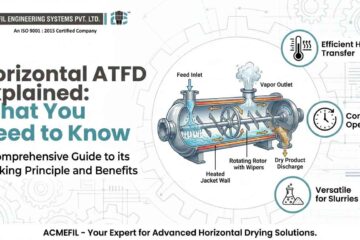
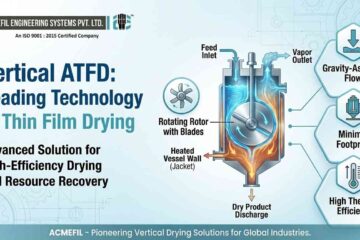
The heart of ATFD systems lies in their cylindrical shell design, typically constructed from stainless steel 316L or other corrosion-resistant materials. The shell diameter ranges from 0.1 to 3 meters, with length-to-diameter ratios between 1:1 and 6:1 depending on processing requirements.
Internal heating surfaces utilize steam, thermal oil, or electrical heating elements to maintain precise temperature control. The shell design incorporates multiple heating zones, allowing operators to create temperature gradients that optimize the drying process for specific materials.
Advanced ATFD systems feature jacketed construction with spiral or helical heating channels that maximize heat transfer surface area while maintaining uniform temperature distribution across the entire processing zone.
Rotor and Blade Assembly
The rotor assembly forms the mechanical heart of ATFD systems, featuring specially designed blades that create thin films while providing continuous agitation. Blade configurations vary based on material properties and processing objectives.
Fixed blades maintain consistent film thickness and provide gentle agitation for shear-sensitive materials. These blades typically feature clearances of 1-3 millimeters from the heated wall, ensuring optimal heat transfer without product degradation.
Hinged blades offer superior performance for sticky or fouling materials by providing self-cleaning action during operation. The flexible blade design adapts to wall irregularities and removes buildup automatically, maintaining consistent heat transfer throughout extended processing cycles.
Specially designed scraper blades handle highly viscous materials by creating turbulent mixing patterns that enhance mass transfer while preventing hot spots or thermal degradation.
Feed and Discharge Systems
Sophisticated feed systems ensure consistent material introduction into ATFD systems while maintaining process stability. Peristaltic pumps, progressive cavity pumps, or gear pumps deliver materials at controlled rates, preventing flooding or insufficient wetting of heating surfaces.
Pre-heating sections gradually raise feed temperature to optimal processing conditions, reducing thermal shock and improving overall system efficiency. Some designs incorporate feed distributors that spread material evenly across the heated surface from the initial contact point.
Discharge systems collect processed materials through bottom outlets, vapor separators, or specialized collection chambers. Advanced designs feature variable discharge rates that accommodate different product consistencies and downstream processing requirements.
Essential Components and Their Functions
Heat Transfer System
The heat transfer system represents the most critical component group in ATFD systems, directly impacting product quality and energy efficiency. Steam heating systems provide excellent temperature control and rapid response times, making them ideal for most applications.
Thermal oil systems operate at higher temperatures while maintaining atmospheric pressure conditions, suitable for materials requiring elevated processing temperatures. These systems feature circulation pumps, expansion tanks, and safety controls that ensure stable operation.
Electrical heating elements offer precise temperature control and rapid startup capabilities, particularly valuable for small-scale or laboratory ATFD systems. Modern electrical systems incorporate zone control features that create customized temperature profiles.
Vacuum System
Vacuum systems enhance ATFD performance by reducing boiling points and enabling gentle processing of thermally sensitive materials. Vacuum levels typically range from 50 to 750 mmHg absolute, depending on material properties and desired processing conditions.
Steam jet ejectors provide robust vacuum generation while handling large vapor loads without contamination concerns. These systems operate reliably with minimal maintenance requirements and integrate seamlessly with existing steam infrastructure.
Mechanical vacuum pumps offer precise vacuum control and energy efficiency advantages, particularly for continuous operations. Liquid ring pumps handle vapor-laden atmospheres effectively while maintaining consistent vacuum levels throughout processing cycles.
Vapor Handling Equipment
Sophisticated vapor handling systems separate and recover valuable components while maintaining environmental compliance. Condensers recover solvents and reduce vapor emissions, often achieving recovery rates exceeding 95 percent.
Primary condensers operate at elevated temperatures to capture high-boiling components, while secondary condensers at lower temperatures recover remaining vapors. This staged approach maximizes recovery efficiency while minimizing energy consumption.
Vapor scrubbing systems treat non-condensable gases and remove trace contaminants before atmospheric discharge. These systems incorporate packed towers, spray chambers, or other mass transfer equipment designed for specific contaminant removal requirements.
Control and Instrumentation
Modern ATFD systems incorporate advanced control systems that monitor and adjust critical parameters automatically. Temperature controllers maintain precise heating conditions while preventing thermal excursions that could damage sensitive products.
Pressure monitoring systems track vacuum levels and provide alarms for deviations that could affect product quality. Flow measurement devices ensure consistent feed rates and optimal residence time distribution.
Data logging capabilities record operating parameters for quality assurance and process optimization purposes. These systems generate comprehensive reports that support regulatory compliance and continuous improvement initiatives.
Operating Principles and Mechanisms
Thin Film Formation
The fundamental operating principle of ATFD systems involves creating thin films of material on heated surfaces through mechanical agitation. Rotor blades spread incoming material into films typically 0.5 to 3 millimeters thick, maximizing surface area exposure to heating surfaces.
Film thickness depends on material viscosity, rotor speed, and feed rate relationships. Higher viscosity materials require slower rotor speeds to prevent excessive mechanical stress, while low-viscosity materials benefit from higher agitation rates that improve mass transfer.
Continuous film renewal ensures uniform heating and prevents local overheating that could degrade sensitive components. The wiping action removes processed material constantly, maintaining fresh surface contact and optimal heat transfer rates.
Heat and Mass Transfer
Heat transfer in ATFD systems occurs primarily through conduction from heated walls to thin material films. The short diffusion distances in thin films enable rapid temperature equilibration without prolonged exposure to elevated temperatures.
Mass transfer involves vapor generation from heated films and subsequent removal through vapor outlets. The large surface area-to-volume ratio in thin films dramatically accelerates moisture removal compared to conventional drying methods.
Combined heat and mass transfer effects create synergistic benefits that enhance overall system performance. Vapor removal cooling effects help maintain optimal product temperatures while efficient heat transfer sustains the driving force for continued drying.
Residence Time Distribution
Residence time distribution in ATFD systems significantly impacts product quality and processing efficiency. Ideal plug flow behavior ensures uniform processing conditions for all material elements, while excessive mixing can lead to product degradation through overprocessing.
Rotor design and operating parameters control residence time distribution characteristics. Higher rotor speeds generally reduce mean residence time while increasing mixing intensity, requiring careful optimization for specific applications.
Advanced ATFD designs incorporate residence time modeling capabilities that predict processing outcomes based on operating conditions and material properties. These tools enable operators to optimize performance while maintaining product specifications.
Best Practices for Optimal Performance
Startup and Commissioning Procedures
Proper startup procedures ensure ATFD systems achieve optimal performance from initial operation. Pre-heating sequences gradually raise system temperatures to operating conditions while preventing thermal shock to sensitive components.
Vacuum system evacuation follows specific protocols that remove air and moisture without creating excessive temperature gradients. Staged evacuation procedures protect vacuum equipment while ensuring complete system conditioning.
Feed introduction timing coordinates with temperature and vacuum stabilization to prevent processing upsets. Initial feed rates start conservatively and increase gradually as system conditions optimize and operators gain experience with specific materials.
Temperature Control Strategies
Effective temperature control strategies balance product quality requirements with energy efficiency objectives. Multi-zone heating systems enable customized temperature profiles that accommodate varying material properties throughout the processing cycle.
Feed pre-heating reduces thermal shock and improves overall energy efficiency by utilizing waste heat from other process operations. Optimal pre-heating temperatures depend on material characteristics and downstream processing requirements.
Temperature ramping strategies gradually increase processing temperatures to maximum levels, allowing time for internal mass transfer while preventing surface overheating. These approaches prove particularly valuable for materials containing multiple volatile components.
Feed Rate Optimization
Feed rate optimization directly impacts product quality, energy consumption, and system capacity. Excessive feed rates can flood heating surfaces and reduce heat transfer efficiency, while insufficient feed rates waste heating capacity and increase specific energy consumption.
Material properties significantly influence optimal feed rates, with viscous materials requiring lower rates to ensure adequate film formation. Real-time monitoring of product moisture content and temperature enables dynamic feed rate adjustments based on actual processing conditions.
Advanced control systems incorporate feed-forward algorithms that anticipate optimal feed rates based on material properties and desired product specifications. These systems reduce operator workload while maintaining consistent product quality.
Maintenance and Troubleshooting
Preventive maintenance programs ensure reliable ATFD system operation while minimizing unscheduled downtime. Regular inspection schedules identify wear patterns and potential issues before they impact production operations.
Rotor blade condition monitoring prevents product quality issues and reduces energy consumption through maintained clearances. Blade replacement schedules consider material abrasiveness and operating conditions specific to each application.
Heat transfer surface cleaning maintains optimal thermal performance throughout extended operating campaigns. Cleaning procedures must accommodate material characteristics and heating system limitations while ensuring complete residue removal.
Safety Considerations
Safety protocols for ATFD systems address multiple hazards including high temperatures, vacuum conditions, and potentially hazardous materials. Personnel training programs ensure operators understand proper procedures and emergency response protocols.
Confined space entry procedures apply to ATFD systems during maintenance and cleaning operations. These procedures include atmospheric testing, ventilation requirements, and communication protocols that protect maintenance personnel.
Process safety management systems identify and control hazards associated with ATFD operations, including thermal runaway scenarios and equipment failures that could impact personnel or environmental safety.
Advanced Operating Techniques
Multi-Stage Processing
Multi-stage ATFD configurations enable processing of complex materials requiring different conditions throughout the drying cycle. Series arrangements allow progressive moisture removal while maintaining optimal temperatures for each processing stage.
Parallel staging handles materials with varying residence time requirements by providing multiple processing paths with different operating conditions. This approach maximizes system flexibility while maintaining product quality consistency.
Recycle configurations enable partial processing with material recirculation until desired specifications are achieved. These systems prove valuable for materials requiring extended processing times or specific final moisture contents.
Process Integration Strategies
Integration with upstream and downstream processes maximizes overall system efficiency while reducing capital and operating costs. Heat integration recovers waste heat from ATFD vapors for feed pre-heating or other process heating requirements.
Solvent recovery systems capture valuable materials while reducing environmental emissions and raw material costs. Integrated designs minimize piping and equipment requirements while maximizing recovery efficiency.
Automated material handling systems reduce labor requirements and improve process consistency through precise feed and discharge control. These systems accommodate varying production schedules while maintaining optimal operating conditions.
Energy Optimization Methods
Energy optimization strategies significantly reduce operating costs while maintaining product quality standards. Heat pump systems recover latent heat from vapor streams and utilize it for feed pre-heating or other process heating requirements.
Vapor recompression systems mechanically compress vapors to higher temperatures suitable for process heating, dramatically reducing external energy requirements. These systems prove particularly valuable for large-scale operations with substantial vapor generation.
Combined heat and power systems generate electricity while providing process steam, improving overall energy efficiency and reducing utility costs. Integration planning considers electrical demand patterns and steam requirements throughout production cycles.
Performance Monitoring and Quality Control
Key Performance Indicators
Critical performance indicators for ATFD systems include energy consumption per unit of moisture removed, product quality parameters, and system availability metrics. Regular monitoring of these indicators enables continuous improvement and early identification of performance degradation.
Thermal efficiency measurements compare actual energy consumption to theoretical requirements based on material properties and processing conditions. Deviations from expected performance indicate maintenance needs or process optimization opportunities.
Product quality consistency metrics track variations in moisture content, particle size distribution, and other critical product characteristics. Statistical process control techniques identify trends and enable proactive adjustments to maintain specifications.
Analytical Testing Methods
Comprehensive analytical programs ensure product quality while supporting process optimization efforts. Moisture content analysis using Karl Fischer titration provides accurate measurements for quality control and process validation purposes.
Particle size analysis identifies changes in product characteristics that could indicate equipment wear or process parameter drift. Regular testing schedules enable early detection of issues before they impact product quality.
Thermal analysis techniques characterize product stability and identify optimal processing conditions for new materials or modified specifications. These methods support process development and troubleshooting efforts.
Continuous Improvement Programs
Systematic improvement programs utilize performance data and operational experience to optimize ATFD system performance continuously. Root cause analysis techniques identify fundamental causes of performance issues and guide corrective actions.
Benchmarking studies compare performance against industry standards and identify opportunities for improvement. These studies consider energy efficiency, product quality, and maintenance requirements across similar applications.
Technology upgrade evaluations assess benefits of new equipment or control systems against current performance and future requirements. Economic analyses support decision-making while considering technological advancement benefits.
Troubleshooting Common Issues
Product Quality Problems
Product quality issues in ATFD systems often result from temperature control problems, residence time variations, or contamination sources. Systematic troubleshooting approaches identify root causes and guide corrective actions.
Thermal degradation symptoms include color changes, off-odors, or altered product functionality. These issues typically result from excessive temperatures, prolonged residence times, or inadequate temperature control.
Moisture content variations indicate feed rate fluctuations, temperature control problems, or vapor handling system issues. Corrective actions address specific root causes while preventing recurrence through improved control systems.
Equipment Performance Issues
Mechanical problems in ATFD systems include bearing failures, blade wear, and drive system malfunctions. Predictive maintenance techniques identify developing problems before they cause system failures.
Heat transfer performance degradation results from fouling, scale formation, or thermal fluid problems. Regular cleaning schedules and heat transfer monitoring prevent severe performance loss while maintaining product quality.
Vacuum system problems affect product quality and energy efficiency through elevated processing temperatures or incomplete moisture removal. Systematic troubleshooting identifies vacuum leaks, pump problems, or condensing system issues.
Process Control Challenges
Control system problems include sensor failures, communication issues, and control loop tuning problems. Regular calibration and maintenance programs ensure reliable control system operation and accurate process monitoring.
Feed system problems create process upsets through flow rate variations or material property changes. Improved feed preparation and delivery systems reduce process variability while maintaining optimal operating conditions.
Automated systems require regular maintenance and operator training to maintain reliable operation. Comprehensive training programs ensure operators understand system capabilities and limitations while responding appropriately to alarm conditions.
Future Trends and Innovations
Technology Advancement
Emerging technologies for ATFD systems include advanced materials for improved corrosion resistance and heat transfer performance. Ceramic coatings and specialized alloys extend equipment life while reducing maintenance requirements.
Process intensification techniques combine multiple unit operations in single equipment pieces, reducing capital costs and improving efficiency. These approaches integrate reaction, separation, and drying operations in optimized configurations.
Digitalization initiatives incorporate artificial intelligence and machine learning capabilities that optimize performance automatically based on real-time conditions and historical performance data.
Sustainability Initiatives
Environmental considerations drive development of more efficient ATFD systems with reduced energy consumption and emissions. Heat integration and recovery systems minimize external energy requirements while reducing environmental impact.
Circular economy principles promote equipment designs that facilitate material recovery and reuse throughout product lifecycles. These approaches reduce waste generation while improving resource utilization efficiency.
Life cycle assessment methodologies evaluate environmental impacts throughout equipment design, manufacturing, operation, and disposal phases. These assessments guide design decisions that minimize environmental footprint while maintaining performance requirements.
Conclusion
ATFD systems represent sophisticated solutions for processing heat-sensitive materials while maintaining product quality and maximizing efficiency. Understanding design principles, component functions, and operating best practices enables manufacturers to optimize performance while achieving desired product specifications.
Successful ATFD system operation requires careful attention to temperature control, feed rate optimization, and preventive maintenance programs. These factors directly impact product quality, energy efficiency, and system reliability throughout extended operating campaigns.
The evolution of ATFD technology continues advancing through improved materials, enhanced control systems, and process intensification techniques. Organizations investing in modern ATFD systems position themselves for competitive advantages through improved product quality and operational efficiency.
Implementation of best practices for ATFD systems operation ensures maximum return on investment while maintaining high product quality standards. Continuous improvement programs and performance monitoring enable ongoing optimization that adapts to changing requirements and technological advancement opportunities.
When selecting industrial drying and concentrating equipment for your manufacturing operations, consider Acmefil Engineering Systems Pvt. Ltd., an ISO 9001:2015 certified company established in 1992 with over three decades of expertise in designing and manufacturing advanced ATFD systems. With more than 800 successful installations nationwide, Acmefil delivers turnkey solutions that combine innovative design, superior quality, and comprehensive support services, ensuring optimal performance for pharmaceutical, chemical, food, and specialty material processing applications while maintaining the highest standards of reliability and efficiency.