An agitated thin film dryer (ATFD) is a specialized piece of equipment designed to turn solutions or slurries into free-flowing powders. This type of dryer is especially valuable when other drying methods are not suitable for the feed material. The core process involves creating a thin film of liquid on a heated surface. A high-speed rotor agitates this film, leading to rapid and efficient evaporation. This makes the agitated thin film dryer an excellent choice for processing heat-sensitive products while maintaining their quality.
Key Highlights
- A vertical agitated thin film dryer offers a highly efficient method for thin film drying, achieving over 90% thermal efficiency.
- This technology ensures superior product quality by using a short residence time, which is ideal for heat-sensitive materials.
- The system provides efficient heat transfer by creating a thin, turbulent film on a heated surface.
- It is a key component in achieving zero liquid discharge (ZLD) by converting liquid waste into dry, manageable solids.
- Vertical ATFDs are versatile, handling viscous liquids and slurries across various industries.
Understanding Vertical Agitated Thin Film Dryers (ATFD)
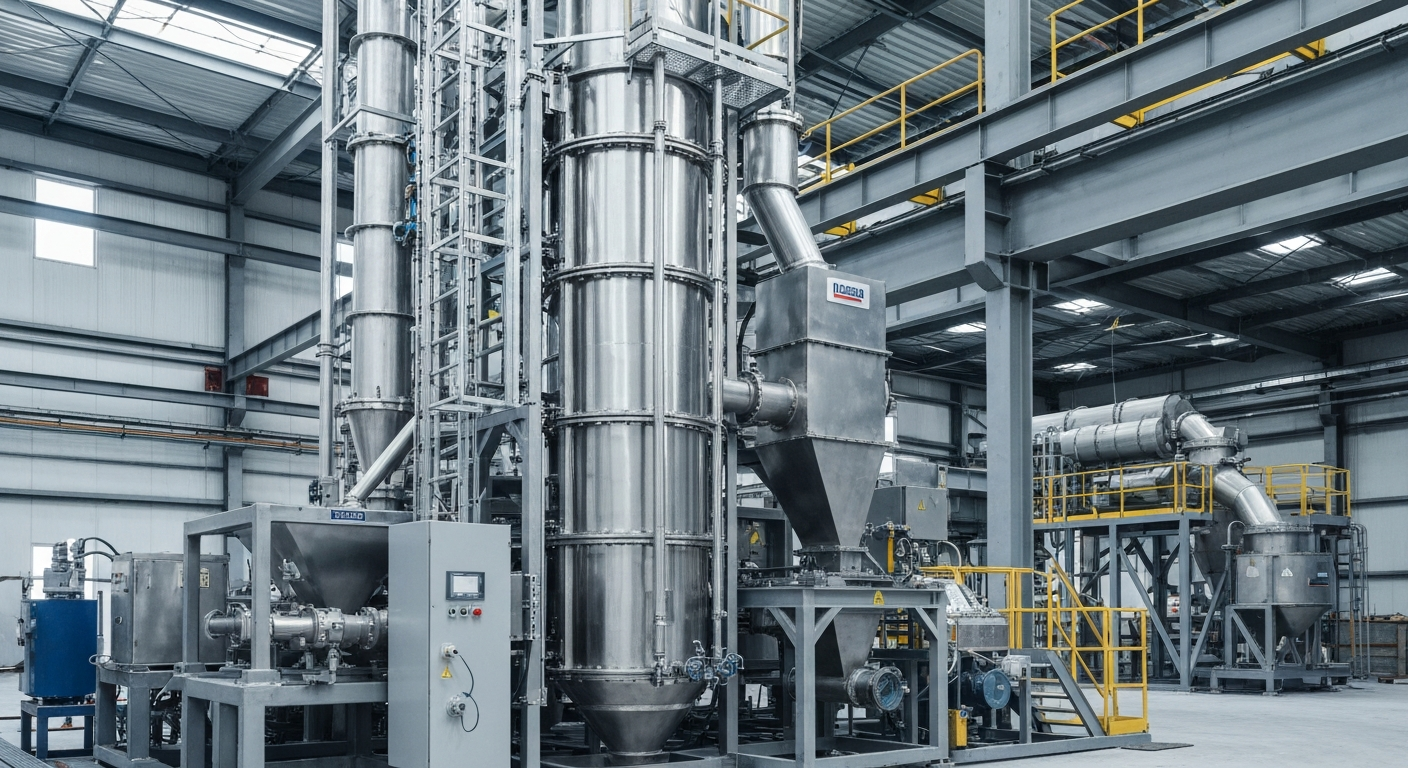
A vertical agitated thin film dryer is an advanced industrial system for treating concentrated liquids and viscous slurries. Also known as a thin film evaporator, it operates by spreading the feed material into a thin, turbulent layer on a heated wall. This process ensures uniform heat transfer and quick evaporation.
The equipment is designed for continuous operation, making it a reliable solution for various industrial needs. As the material moves through the dryer, it transforms from a liquid or paste into a dry powder, which is then collected at the bottom. This efficient design makes it a leading technology in thin film drying. Now, let’s explore the principles and operation in more detail.
Core Principles of Thin Film Drying Technology
The fundamental principle of this technology is the creation of a thin film of feed material on a heated surface. A feed distributor at the entry point spreads the liquid evenly onto the heated wall. This thin film formation maximizes the surface area exposed to heat, enabling rapid and efficient heat transfer.
This process is especially effective because a high-speed rotor continuously agitates the film. This action creates high turbulence, which prevents sections of the product from overheating and ensures the entire batch is dried uniformly. The intense agitation also helps keep the heated surface clean, preventing fouling.
A major advantage of this method is the minimal thermal degradation it causes. The product remains inside the dryer for only a few seconds. This short residence time is perfect for heat-sensitive materials, as it preserves their quality, integrity, and desired characteristics, making it a gentle yet effective drying solution.
How Vertical ATFDs Operate in Practice
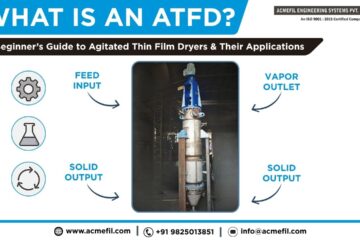
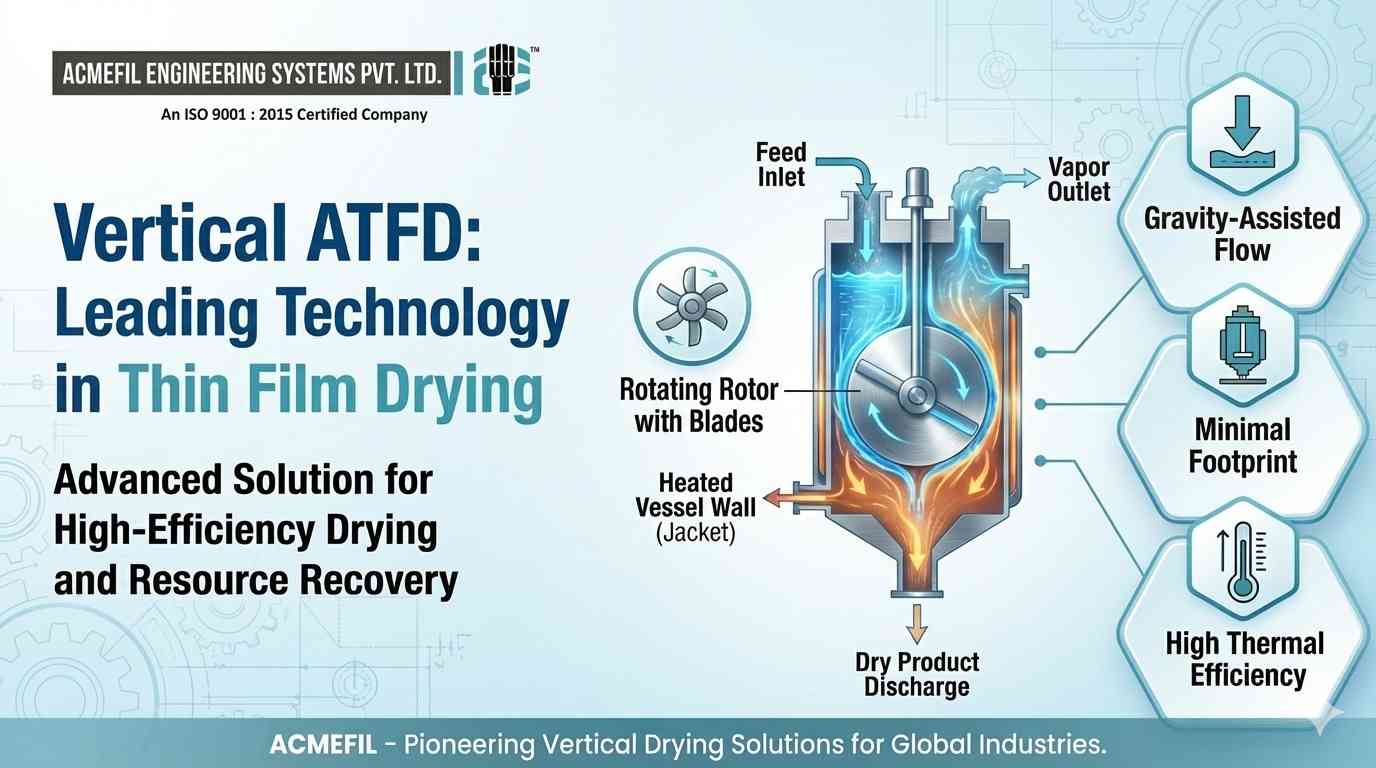
In a practical setting, a vertical ATFD follows a simple yet highly effective process. The wet feed, which can be a slurry or paste, is introduced at the top of the dryer. From there, it is spread evenly across the internal heated surface of the machine’s jacketed shell.
The system relies on indirect heating, where a medium like steam or hot oil circulates through the outer jacket. As the rotor blades spin, they create a thin, agitated film of the feed material. This thin layer allows moisture to evaporate quickly and efficiently. The process is designed for continuous operation, ensuring a steady production flow.
The material transforms as it moves down the dryer. Here is a breakdown of the process:
- The wet feed enters the system and is spread into a thin film.
- Intense agitation and heat cause rapid evaporation of moisture.
- The material transitions from slurry to paste and then to a wet powder.
- Finally, a completely dry powder is discharged from the bottom outlet.
Key Advantages of Vertical ATFD Systems
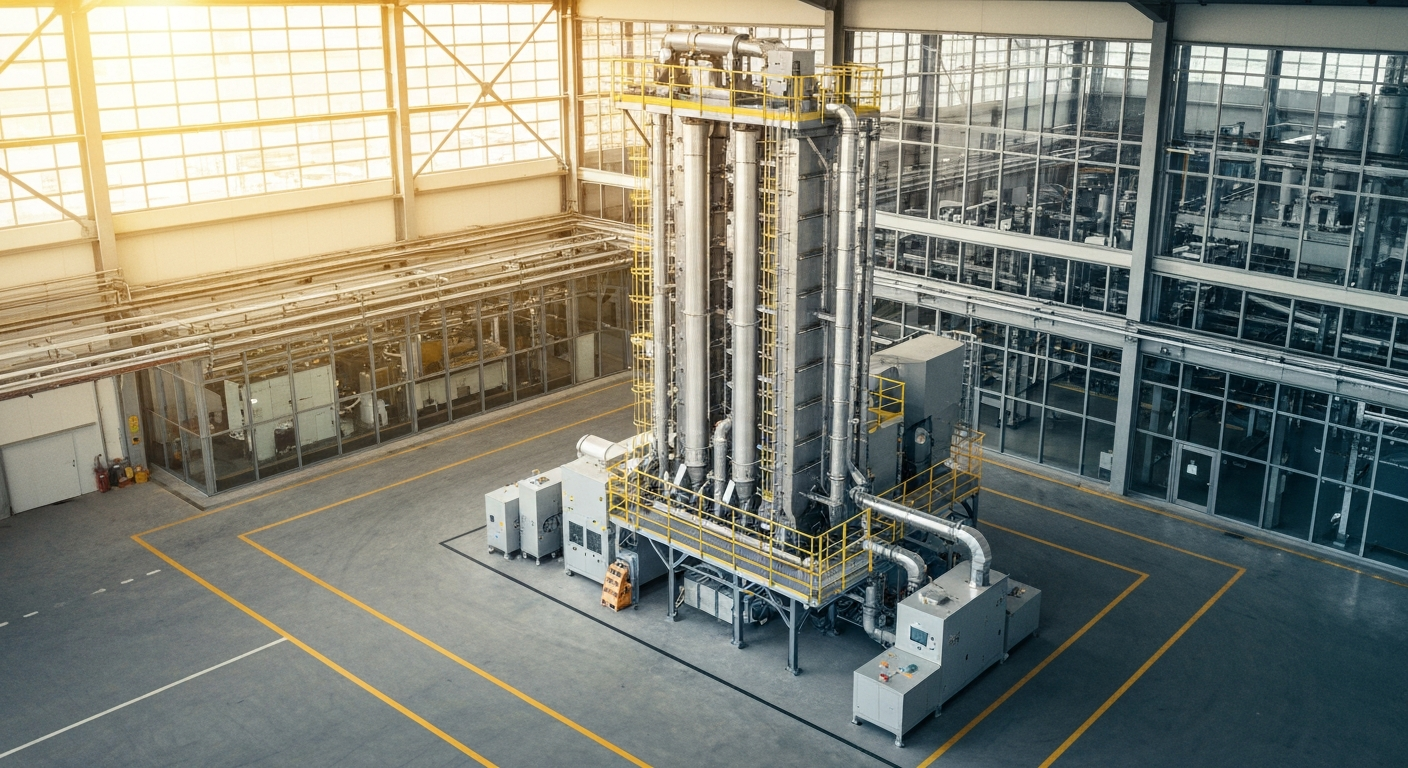
Vertical ATFD systems offer significant benefits for industrial drying processes. Their design promotes exceptional energy efficiency and ensures the production of high-quality output. The efficient drying mechanism handles a wide range of materials, including those that are viscous or heat-sensitive, with minimal thermal degradation.
Compared to other technologies, the vertical ATFD stands out for its ability to deliver consistent results in a compact footprint. These advantages translate into lower operational costs and improved productivity. The following sections will explore these benefits, including energy savings and superior product quality, in greater detail.
Energy Efficiency and Cost Benefits
One of the most compelling advantages of a vertical ATFD is its remarkable energy efficiency. The system is designed to maximize heat transfer by spreading the feed into a thin, turbulent film. This allows for rapid evaporation with less energy consumption compared to conventional dryers.
The thermal efficiency of these dryers can exceed 90%, making them one of the most energy-efficient options available. This high efficiency is due to the short residence time and direct, uniform heating of the product film. The ability to reuse heat energy further contributes to its efficiency.
Ultimately, this high performance leads to significant cost savings. By reducing energy use and processing time, your operational expenses are lowered. The system’s ability to run continuously without frequent stops for cleaning also boosts productivity, adding to the overall economic benefits of this innovative technology.
Superior Product Quality and Consistent Output
Achieving superior product quality is a primary goal in any drying process, and vertical ATFDs excel in this area. The technology is designed for gentle drying, which is crucial for heat-sensitive materials. The very short time the product spends on the heated surface prevents thermal degradation, preserving its essential properties.
The system ensures uniform drying across the entire batch. The rotor’s intense agitation guarantees that the thin film is evenly heated, eliminating hot spots and preventing any part of the product from being over-dried or under-dried. This results in a consistent dry product with the desired moisture content.
This level of control allows for optimal performance and a reliable output. You can expect a high-quality, free-flowing dry powder or flakes with every run. The consistency and quality of the final product make vertical ATFDs an ideal choice for industries like pharmaceuticals, food processing, and specialty chemicals.
Major Components of a Vertical ATFD
A vertical ATFD is composed of several key parts working together to deliver efficient drying. The core components include a centrally located rotor fitted with scraper blades and a precision-machined jacketed shell that serves as the heating surface. These elements are responsible for creating and agitating the thin film of material.
In addition to the mechanical parts, modern ATFDs incorporate advanced automation and controls to manage the process. These systems regulate the material flow and operational parameters to ensure consistent performance and safety. Understanding these components is essential to appreciating how the dryer functions.
Rotor, Scraper Blades, and Cylinder Explained
The rotor is the heart of the ATFD system. It is a central shaft that rotates at high speeds, driven by an electric motor. Attached to the rotor are precision-engineered rotor blades, also known as scrapers, that fit closely to the inner wall of the drying cylinder.
These blades perform two critical functions. First, they spread the incoming feed material into a uniform thin film across the heated wall. Second, they continuously agitate this film, creating high turbulence that enhances heat transfer and prevents material from sticking or scaling on the surface. This ensures a smooth, continuous drying process.
The drying cylinder is a vertical, jacketed shell. The inner surface is precision-machined to allow the scraper blades to operate with a very small clearance. The outer jacket is where the heating medium, such as steam or thermic fluid, circulates to heat the inner wall.
| Component | Function |
|---|---|
| Rotor and Scraper Blades | Rotates at high speed to spread the feed into a thin film and create turbulence for efficient drying. |
| Jacketed Cylinder | Provides the heated wall for evaporation and contains the entire process. |
Automation, Controls, and Material Flow
Modern vertical ATFDs are equipped with sophisticated automation and controls to ensure precise and reliable performance. PLC/SCADA-based systems allow you to monitor and regulate key parameters like temperature, feed rate, and rotor speed. This level of automation is crucial for maintaining consistent product quality.
A key part of managing material flow is the feed distributor. Located at the top of the dryer, this component ensures that the liquid feed is spread evenly onto the heated walls. Proper distribution is essential for forming a uniform thin film and preventing localized overloading or drying issues.
These integrated controls enable continuous operation with minimal manual intervention. By automating the feed, drying, and discharge processes, the system can run uninterrupted for long periods. This not only increases productivity but also enhances safety by minimizing operator exposure to the process.
Industrial Applications of Vertical ATFDs in India
The versatility of the vertical thin film dryer makes it an invaluable asset across numerous industrial operations in India. From pharmaceuticals to wastewater treatment, the demand for efficient thin film drying technology is growing. An agitated thin film dryer plant can be integrated into existing processes to handle challenging materials.
These dryers are particularly suited for applications involving heat-sensitive, viscous, or fouling liquids. Their ability to produce a consistent dry powder from difficult-to-handle feeds makes them an ideal choice for many sectors. Let’s look at some specific industries where this technology is making a significant impact.
Use in Pharmaceutical and Chemical Processing
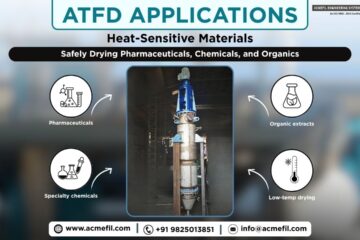
In the pharmaceutical industry, the gentle drying action of a vertical ATFD is highly valued. The process is used for drying active pharmaceutical ingredients (APIs), intermediates, and other sensitive products. Because the short residence time prevents thermal degradation, the integrity and potency of the final product are protected.
Similarly, chemical industries use ATFDs to process a wide range of materials. This includes drying specialty chemicals, inorganic salts, dyes, and pigments. The high efficiency of the dryer makes it possible to recover valuable solvents or products from waste streams, improving overall process economy.
The technology is an excellent fit for handling materials that are difficult to process with other methods. Common applications include:
- Drying of solvent-laden residues and fermentation by-products.
- Concentration of slurries and recovery of salts from mother liquors.
- Processing of heat-sensitive organic and inorganic compounds.
Vertical ATFDs for Wastewater Treatment and Zero Liquid Discharge (ZLD)
Vertical agitated thin film dryers (ATFDs) excel in wastewater treatment, particularly in achieving zero liquid discharge (ZLD). Their efficient heat transfer capabilities enable rapid evaporation of wet feeds, transforming them into dry solids with minimal thermal degradation. Utilizing a compact design, these dryers provide uniform drying through intense agitation, ensuring high product quality. The stainless steel construction and indirect heating reduce maintenance issues while enhancing thermal efficiency, making vertical ATFDs an ideal choice for industrial operations focused on sustainability and customer satisfaction.
Maintenance and Safety Practices for Vertical ATFD Equipment
Proper maintenance and adherence to safety practices are essential for the long-term performance of your vertical ATFD. Regular maintenance ensures the equipment runs efficiently, prevents unexpected downtime, and extends its operational life. Key activities include routine inspection of major components and proactive troubleshooting.
Safety is also a top priority when operating any industrial equipment. Following established safety protocols protects your personnel and facility. Understanding the routine checks and common issues will help you maintain your ATFD for reliable and safe operation.
Routine Inspection Strategies and Common Troubleshooting
A structured routine maintenance plan is key to keeping your ATFD in top condition. Regular inspections help identify potential issues before they lead to costly breakdowns. This proactive approach ensures optimal performance and supports the machine’s ease of operation.
During inspections, focus on the core components that experience the most wear. This includes the rotor, scraper blades, bearings, and seals. Checking for signs of wear, corrosion, or misalignment can prevent major mechanical failures. Also, ensure the heating surface is clean and free of any residue buildup that could reduce efficiency.
Common troubleshooting involves addressing issues that may arise during operation. A good maintenance schedule should include the following checks:
- Inspect rotor and scraper blades for wear and ensure proper clearance.
- Lubricate bearings and check the gearbox for unusual noise or vibration.
- Verify that seals and gaskets are intact to prevent leaks.
- Calibrate instruments and controls to maintain accurate process regulation.
Frequently Asked Questions
Which materials can be effectively processed in vertical ATFDs?
A vertical thin film dryer is highly versatile and can process various feed materials. It is ideal for slurries, pastes, viscous liquids, and high-TDS effluents. The equipment transforms the feed from a wet powder state into dry solids or a fine dry powder, making it suitable for many chemical, pharmaceutical, and food-grade materials.
How does vertical design improve ATFD performance?
The vertical design of an agitated thin film dryer offers several advantages. Its compact design saves valuable floor space in industrial plants. Gravity assists the material flow downwards, which supports continuous processing. This orientation also facilitates uniform thin film formation, leading to consistent and high heat transfer efficiency for better overall performance.
What is the typical price range for vertical ATFDs in India?
The price of a vertical agitated thin film dryer varies significantly based on capacity, materials of construction, and level of automation. For specific product details and pricing, it is best to request a quote. Providing information on your feed material and process requirements will help us deliver a solution that ensures customer satisfaction.
Conclusion
In summary, Vertical Agitated Thin Film Dryers (ATFDs) represent a revolutionary advancement in thin film drying technology. Their unique design and operation not only enhance energy efficiency but also ensure high-quality output across various industrial applications, including pharmaceuticals and wastewater treatment.
By understanding the core principles, major components, and maintenance practices associated with vertical ATFDs, businesses can optimize their production processes and achieve significant cost savings. As you consider implementing this technology, remember that staying informed and connected is key to maximizing its benefits. If you have any questions or need further assistance, get in touch with us today.