Processing heat-sensitive materials presents one of the most challenging dilemmas in industrial manufacturing. How do you remove moisture or concentrate valuable compounds without destroying their essential properties? The answer lies in Agitated Thin Film Dryer (ATFD) technology, which has revolutionized the way industries handle delicate materials. The applications of ATFD for heat-sensitive materials span across pharmaceuticals, food processing, chemicals, and biotechnology sectors, making it an indispensable solution for modern manufacturing.
Table of Contents
Understanding ATFD Technology for Heat-Sensitive Processing
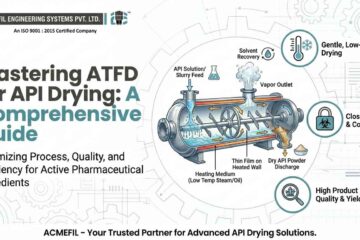
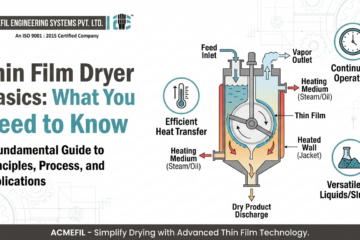
Agitated Thin Film Dryers represent a breakthrough in gentle processing technology. Unlike conventional drying methods that expose materials to high temperatures for extended periods, ATFD systems create a thin film of material on a heated surface while mechanical agitation ensures uniform heat transfer and rapid moisture removal.
The core principle behind ATFD effectiveness lies in its ability to minimize residence time while maximizing heat transfer efficiency. This combination proves crucial when dealing with heat-sensitive materials that can degrade, lose potency, or undergo unwanted chemical changes when exposed to excessive heat.
Key Advantages of ATFD for Heat-Sensitive Materials
The applications of ATFD for heat-sensitive materials offer several distinct advantages over traditional drying methods. First, the short residence time typically ranges from seconds to minutes, compared to hours in conventional dryers. This brief exposure significantly reduces the risk of thermal degradation.
Second, the thin film formation ensures uniform heat distribution, eliminating hot spots that could damage sensitive compounds. The continuous agitation prevents material buildup and maintains consistent processing conditions throughout the operation.
Third, ATFD systems operate under vacuum conditions, which lowers the boiling point of solvents and moisture, enabling effective drying at reduced temperatures. This feature proves particularly valuable for thermolabile substances that cannot withstand high-temperature processing.
Pharmaceutical Applications of ATFD Technology
The pharmaceutical industry represents one of the most demanding sectors for heat-sensitive material processing. Many active pharmaceutical ingredients (APIs), vitamins, and biological compounds exhibit temperature sensitivity that makes conventional drying impossible.
Processing Active Pharmaceutical Ingredients
APIs often contain complex molecular structures that can decompose or lose efficacy when exposed to elevated temperatures. The applications of ATFD for heat-sensitive materials in pharmaceutical manufacturing include processing antibiotics, steroids, and specialty drugs that require gentle handling.
For instance, beta-lactam antibiotics like penicillin derivatives are notoriously heat-sensitive. ATFD technology enables pharmaceutical manufacturers to concentrate these compounds from fermentation broths while preserving their antimicrobial properties. The controlled environment prevents oxidation and thermal breakdown that could render the medication ineffective.
Steroid hormones present another category where ATFD excels. These compounds can undergo structural changes at elevated temperatures, leading to reduced potency or unwanted side effects. ATFD systems maintain the molecular integrity while achieving the required concentration levels for tablet or injection formulations.
Vitamin and Nutraceutical Processing
Vitamins, particularly water-soluble varieties like vitamin C and B-complex, demonstrate significant heat sensitivity. Traditional drying methods often result in substantial vitamin loss, reducing the nutritional value of the final product.
The applications of ATFD for heat-sensitive materials extend to processing vitamin concentrates from natural sources. For example, when extracting vitamin C from citrus fruits or rose hips, ATFD technology preserves the antioxidant properties while removing excess moisture. This preservation maintains the biological activity that consumers expect from vitamin supplements.
Similarly, omega-3 fatty acids from fish oil processing benefit from ATFD technology. These polyunsaturated fats are prone to oxidation at high temperatures, leading to rancidity and loss of health benefits. ATFD systems protect these valuable compounds while concentrating them to therapeutic levels.
Food Industry Applications
The food processing industry faces unique challenges when handling heat-sensitive materials. Consumers increasingly demand products that retain natural flavors, colors, and nutritional content, making gentle processing technologies essential.
Fruit and Vegetable Concentrates
Natural fruit concentrates require careful processing to maintain their fresh taste and nutritional profile. The applications of ATFD for heat-sensitive materials in food processing include creating concentrated fruit juices without the typical “cooked” flavor associated with traditional evaporation methods.
Apple juice concentrate processing exemplifies this application. Conventional evaporators often operate at temperatures that destroy volatile flavor compounds and degrade vitamin content. ATFD systems preserve these delicate components while achieving the required concentration levels for storage and transportation efficiency.
Similarly, vegetable extracts used in natural food coloring benefit from ATFD processing. Compounds like lycopene from tomatoes or beta-carotene from carrots maintain their vibrant colors and antioxidant properties when processed through ATFD systems.
Dairy Product Processing
Dairy proteins present complex challenges due to their tendency to denature at elevated temperatures. Whey protein concentrates, casein derivatives, and specialty milk proteins require gentle handling to maintain their functional properties.
The applications of ATFD for heat-sensitive materials extend to processing these dairy components while preserving their emulsification, foaming, and gelling properties. This preservation proves crucial for manufacturers producing high-quality protein supplements and functional food ingredients.
Lactose processing also benefits from ATFD technology. While lactose itself shows reasonable heat stability, associated proteins and minerals can precipitate or change structure during conventional drying, affecting the final product quality.
Chemical Industry Applications
The chemical industry encompasses numerous heat-sensitive compounds that require specialized processing approaches. From fine chemicals to specialty polymers, ATFD technology provides solutions for materials that cannot withstand conventional thermal processing.
Fine Chemical Processing
Fine chemicals often contain complex molecular structures with specific functional groups that can decompose or rearrange under thermal stress. The applications of ATFD for heat-sensitive materials include processing pharmaceutical intermediates, agrochemical compounds, and specialty organic molecules.
Catalysts represent another category where heat sensitivity poses significant challenges. Many homogeneous catalysts used in pharmaceutical synthesis contain organometallic complexes that decompose at elevated temperatures. ATFD systems enable the recovery and purification of these valuable catalysts while maintaining their catalytic activity.
Polymer and Resin Processing
Certain polymers and resins exhibit heat sensitivity that complicates their processing and purification. Thermoplastic materials with low glass transition temperatures, biodegradable polymers, and specialty resins often require gentle handling to prevent degradation.
The applications of ATFD for heat-sensitive materials extend to processing these polymeric materials while preserving their molecular weight distribution and physical properties. This preservation proves essential for maintaining the performance characteristics required in end-use applications.
Biotechnology and Biochemical Applications
The biotechnology sector presents some of the most challenging applications for heat-sensitive material processing. Enzymes, proteins, and other biological molecules often lose activity when exposed to elevated temperatures, making gentle processing technologies indispensable.
Enzyme Processing and Concentration
Enzymes represent highly specialized proteins that catalyze specific biochemical reactions. Their three-dimensional structure, crucial for catalytic activity, can denature irreversibly when exposed to heat. The applications of ATFD for heat-sensitive materials include concentrating enzyme solutions while maintaining their biological activity.
Industrial enzymes used in detergents, food processing, and biotechnology applications benefit from ATFD processing. For example, cellulase enzymes used in textile processing or biofuel production maintain their ability to break down cellulose when concentrated through ATFD systems.
Similarly, proteases used in leather processing or food applications retain their protein-cleaving activity when processed at the gentle conditions provided by ATFD technology.
Protein and Peptide Processing
Therapeutic proteins and peptides represent high-value products that require exceptional care during processing. These biological molecules can aggregate, precipitate, or lose activity when exposed to thermal stress.
The applications of ATFD for heat-sensitive materials extend to processing monoclonal antibodies, insulin, growth factors, and other therapeutic proteins. The gentle processing conditions preserve the molecular structure necessary for biological activity while achieving the concentration levels required for pharmaceutical formulations.
Environmental and Waste Processing Applications
Environmental applications of ATFD technology focus on recovering valuable materials from waste streams while handling temperature-sensitive compounds that could decompose into harmful byproducts.
Solvent Recovery and Recycling
Many industrial processes generate waste streams containing valuable solvents mixed with heat-sensitive compounds. The applications of ATFD for heat-sensitive materials include recovering these solvents while preventing the formation of degradation products that could complicate recycling efforts.
For example, pharmaceutical manufacturing often generates waste streams containing residual APIs mixed with organic solvents. ATFD systems enable solvent recovery while preventing API degradation that could create impurities or toxic compounds.
Natural Extract Processing
Plant extracts and essential oils contain volatile compounds that provide their characteristic properties. These natural products often include heat-sensitive terpenes, phenolic compounds, and other bioactive molecules that can decompose or transform at elevated temperatures.
The applications of ATFD for heat-sensitive materials extend to processing these natural extracts while preserving their therapeutic or aromatic properties. This preservation proves crucial for industries producing cosmetics, pharmaceuticals, and food flavoring.
Optimizing ATFD Operations for Heat-Sensitive Materials
Successful application of ATFD technology for heat-sensitive materials requires careful optimization of operating parameters. Temperature control, residence time, agitation speed, and vacuum level all influence the final product quality.
Temperature Management Strategies
Effective temperature management represents the cornerstone of successful ATFD operations for heat-sensitive materials. The heating medium temperature should be set just high enough to achieve the required evaporation rate while staying well below the degradation temperature of the processed material.
Many successful applications utilize steam heating at pressures corresponding to temperatures 20-30°C above the desired processing temperature. This approach provides gentle, uniform heating while maintaining precise temperature control.
Residence Time Optimization
Minimizing residence time while achieving complete processing represents a critical balance in ATFD operations. The applications of ATFD for heat-sensitive materials typically involve residence times measured in minutes rather than hours, significantly reducing thermal exposure.
Proper agitator design and speed control ensure efficient film formation and renewal, maximizing heat transfer while minimizing processing time. This optimization proves particularly important for highly heat-sensitive materials where every second of exposure matters.
Future Developments and Emerging Applications
The applications of ATFD for heat-sensitive materials continue expanding as new industries recognize the benefits of gentle processing technology. Emerging applications include processing nanomaterials, quantum dots, and other advanced materials that exhibit extreme temperature sensitivity.
Nanotechnology applications represent a growing market where ATFD technology provides unique advantages. Nanoparticles often aggregate or change properties when exposed to heat, making gentle processing essential for maintaining their engineered characteristics.
Similarly, the growing field of personalized medicine creates demand for processing small batches of heat-sensitive compounds while maintaining high quality standards. ATFD systems provide the flexibility and gentle processing conditions required for these specialized applications.
Frequently Asked Questions About ATFD Applications
What makes ATFD superior to other drying methods for heat-sensitive materials?
ATFD technology combines short residence time, uniform heat distribution, and vacuum operation to minimize thermal exposure while maximizing efficiency. This combination proves impossible to achieve with conventional drying methods.
How does ATFD preserve the quality of heat-sensitive compounds?
The thin film formation ensures rapid heat transfer and moisture removal, while mechanical agitation prevents hot spots and material buildup. The vacuum operation reduces processing temperatures, preserving molecular integrity.
What industries benefit most from ATFD technology?
Pharmaceutical, food processing, biotechnology, and fine chemical industries represent the primary beneficiaries due to their frequent handling of temperature-sensitive materials.
Can ATFD handle very small production batches?
Yes, ATFD systems can be scaled down for pilot plant operations or small-scale production while maintaining the same gentle processing advantages.
What are the typical operating costs for ATFD systems?
Operating costs vary depending on the specific application, but the energy efficiency and product quality improvements often justify the investment through reduced waste and higher-value products.
Conclusion
The applications of ATFD for heat-sensitive materials represent a transformative approach to industrial processing that prioritizes product quality while maintaining operational efficiency. From pharmaceutical APIs to food concentrates, biotechnology products to fine chemicals, ATFD technology provides the gentle processing conditions necessary to preserve valuable properties while achieving required specifications.
As industries continue demanding higher quality standards and consumers expect products that retain their natural characteristics, ATFD technology will play an increasingly important role in modern manufacturing. The ability to process heat-sensitive materials without compromising their essential properties makes ATFD an indispensable tool for companies committed to producing superior products.
The future of heat-sensitive material processing lies in technologies that can balance efficiency with gentleness, and ATFD systems represent the current state-of-the-art in achieving this balance. Companies investing in ATFD technology position themselves to meet evolving market demands while maintaining competitive advantages through superior product quality.
When it comes to processing heat-sensitive materials, Acmefil Engineering Systems Pvt. Ltd. stands as your trusted partner in achieving optimal results. As an ISO 9001:2015 certified company established in 1992, Acmefil has designed and manufactured advanced ATFD systems that excel in handling delicate compounds while maintaining their essential properties. With over 800 installations nationwide, Acmefil’s turnkey solutions combine cutting-edge technology with proven reliability, offering customized ATFD systems that preserve product quality while maximizing operational efficiency. Their comprehensive approach includes design, manufacturing, installation, and ongoing support, ensuring your heat-sensitive material processing meets the highest industry standards while delivering consistent, superior results that drive your business success.